Receive our newsletter
Keep in touch. Enter your details here and you won’t miss a thing.
Newsletter Sign UpThe Garden
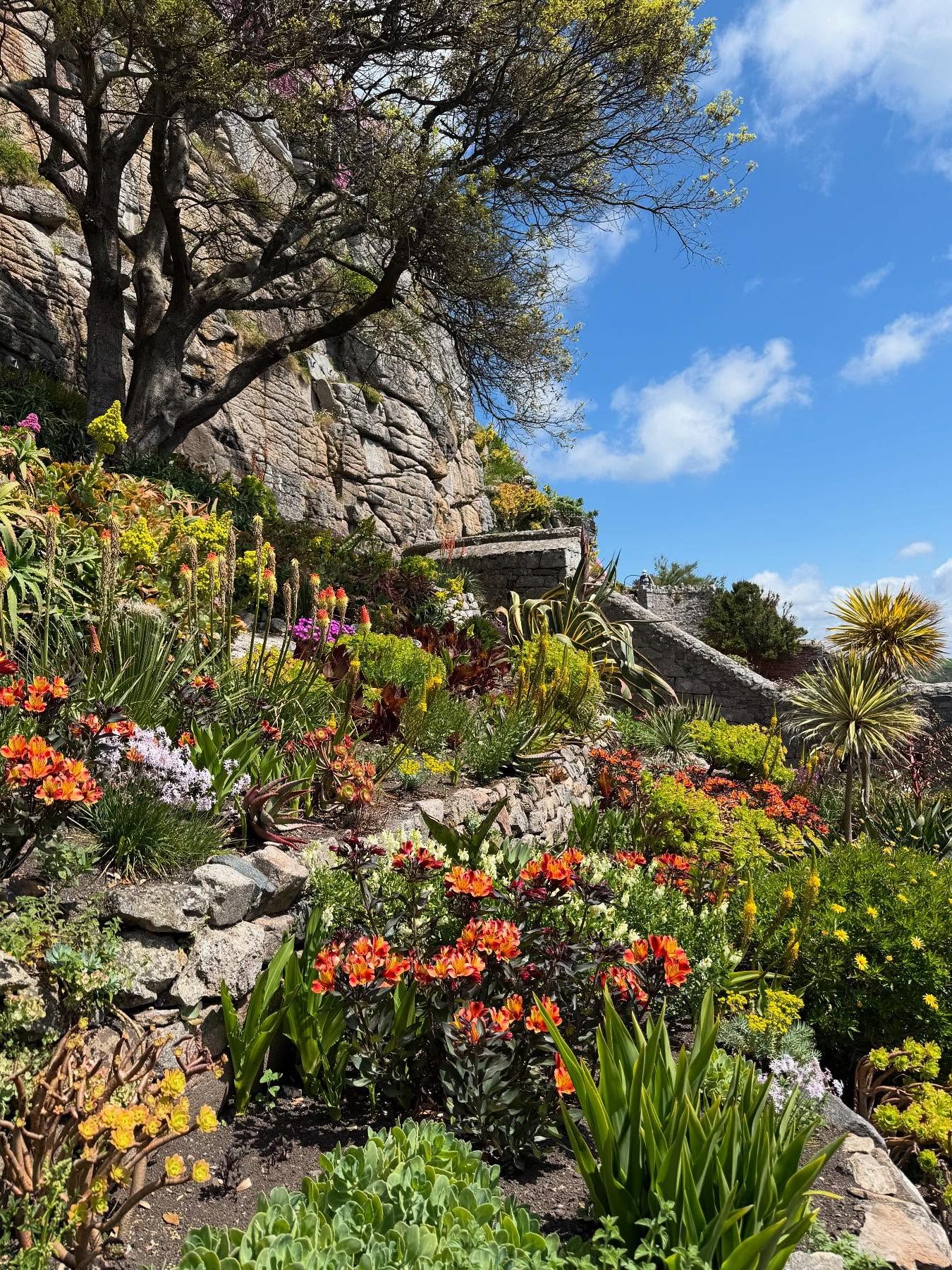
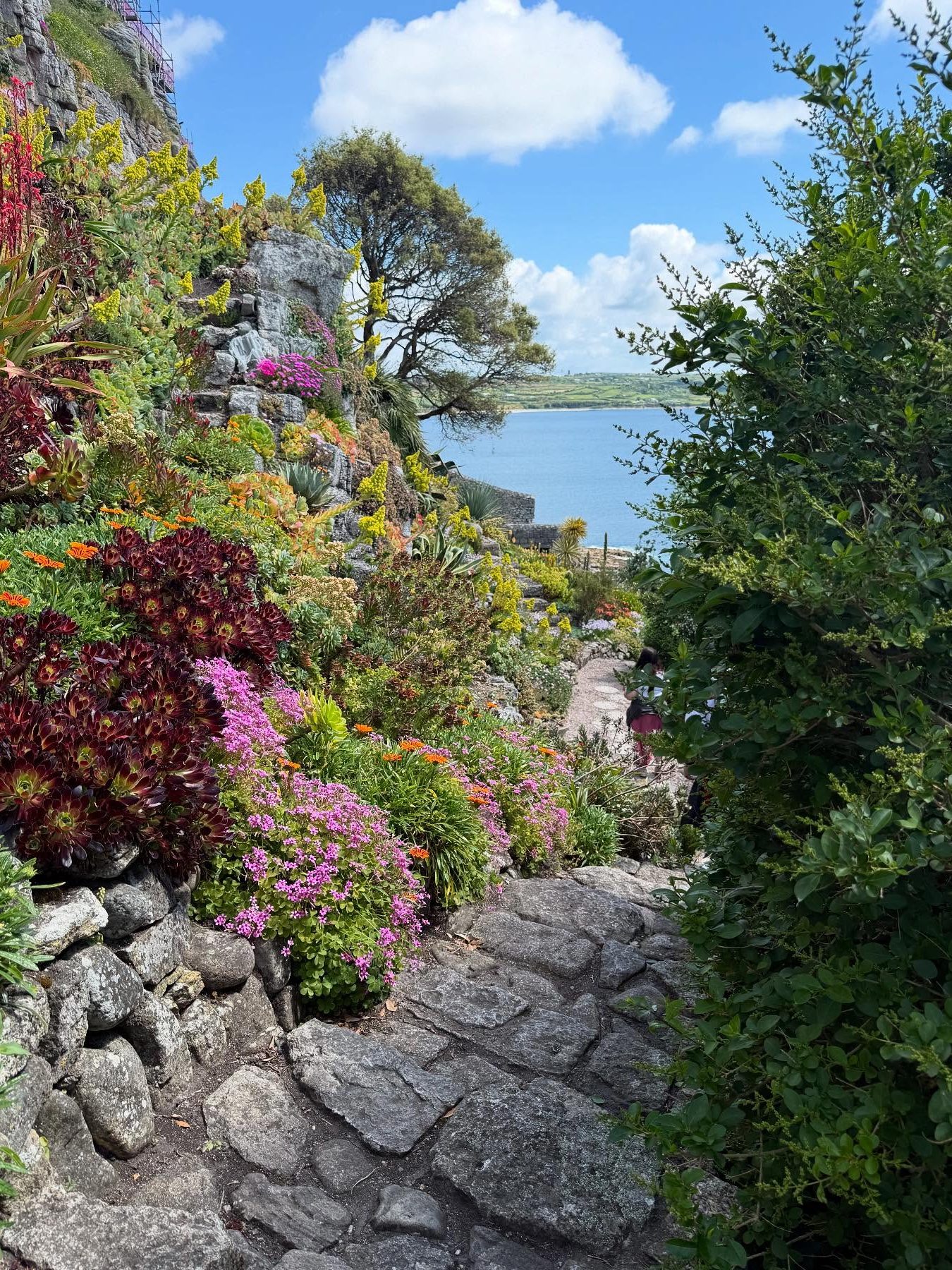
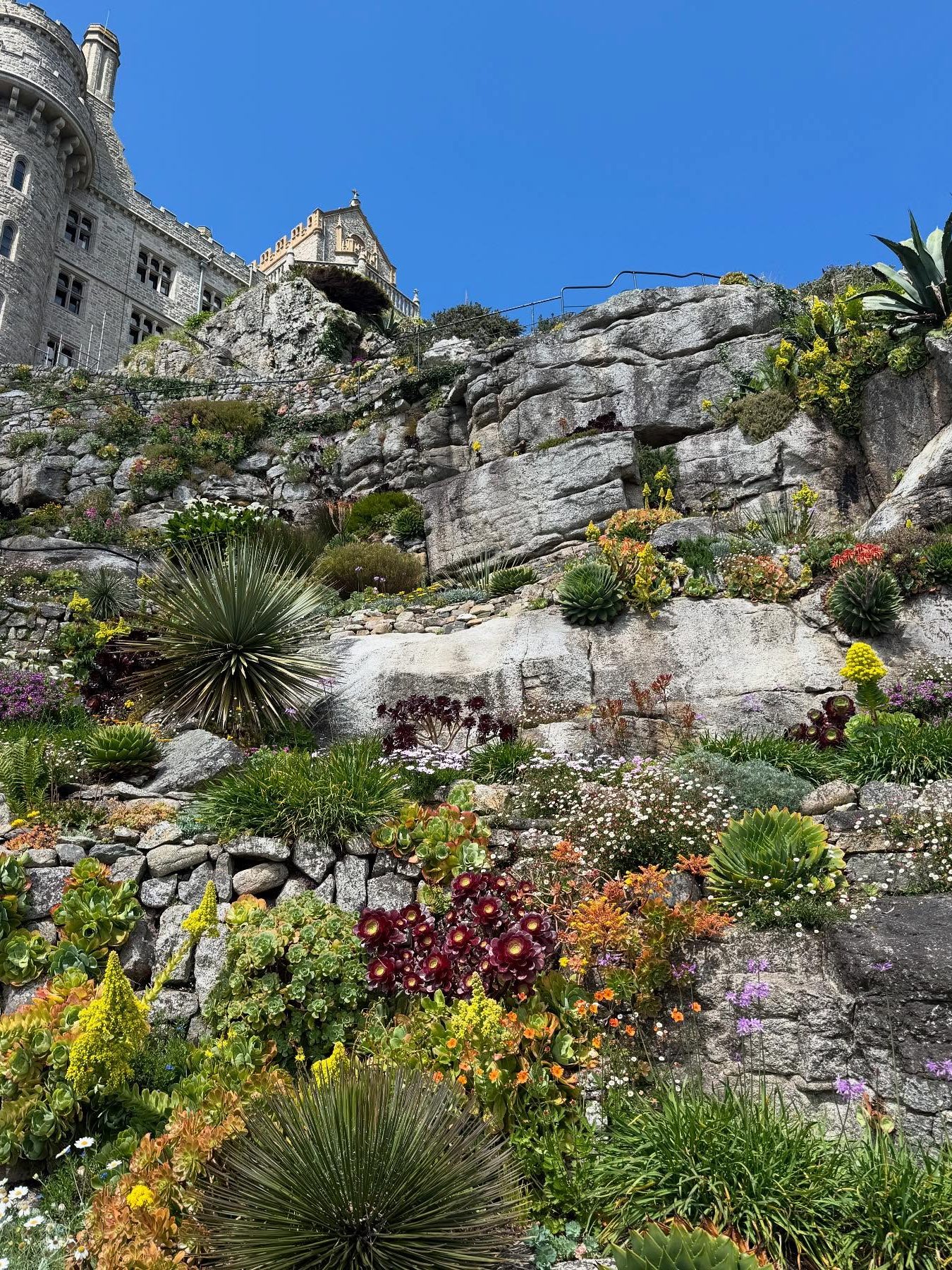
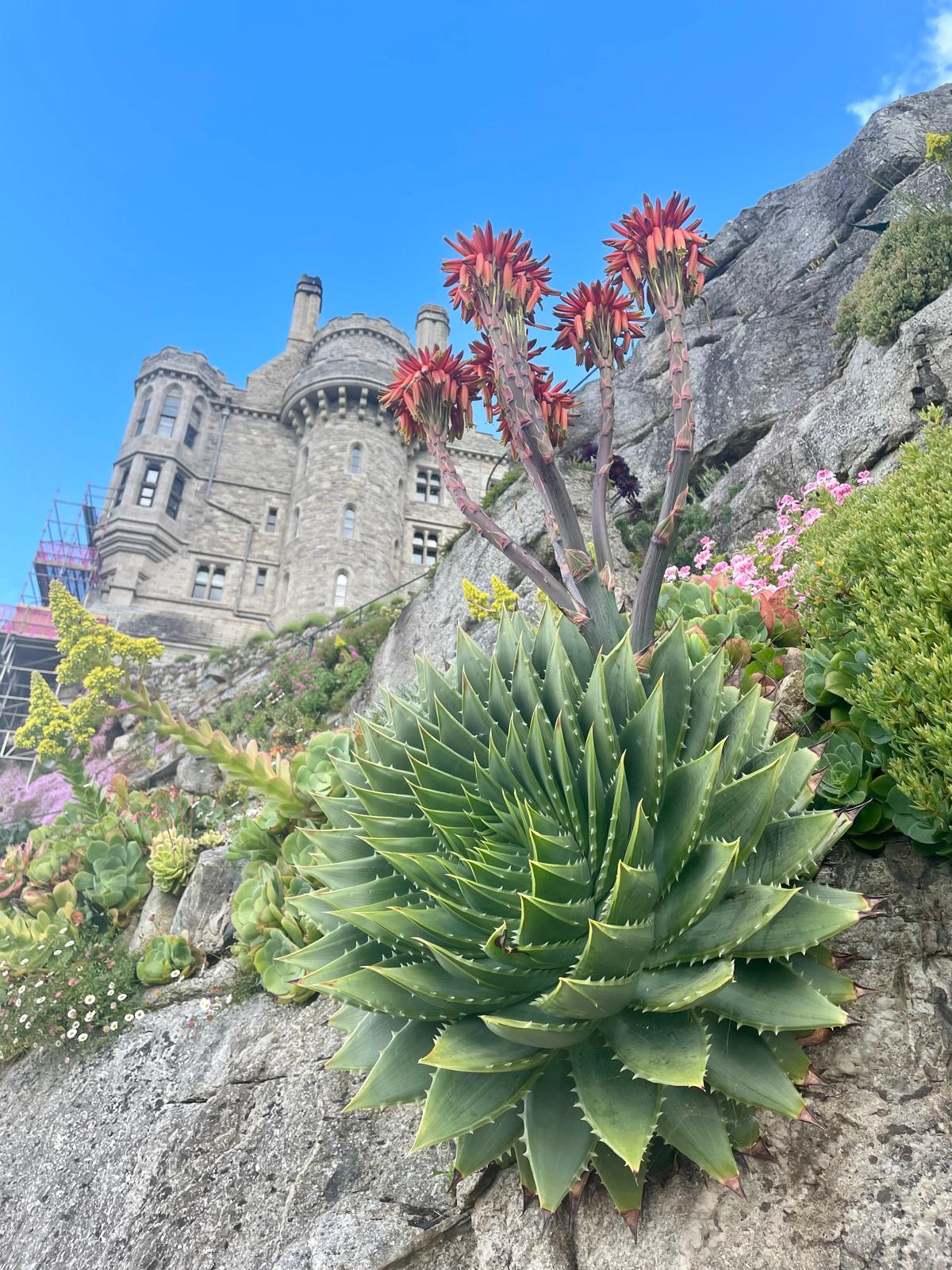
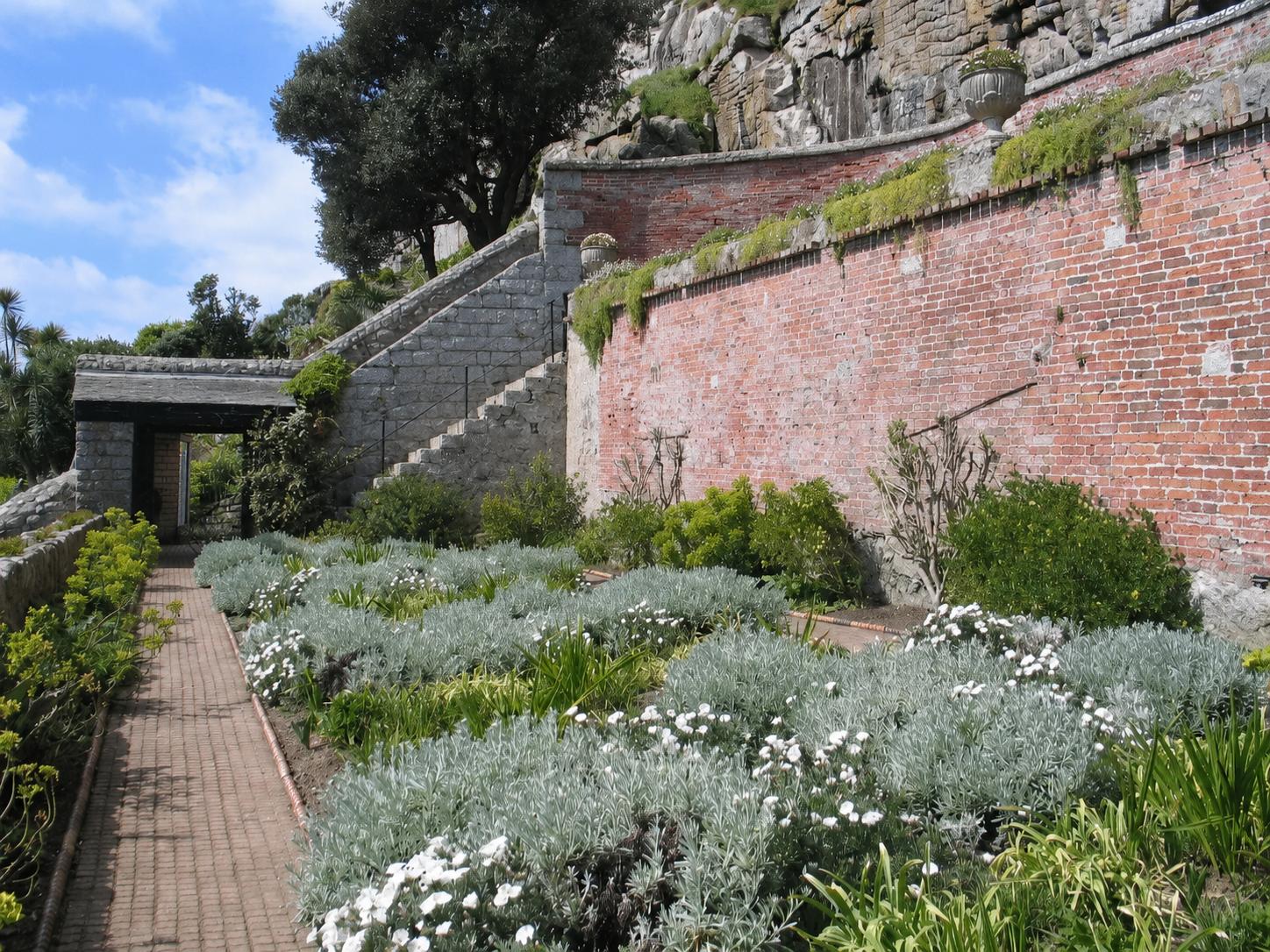
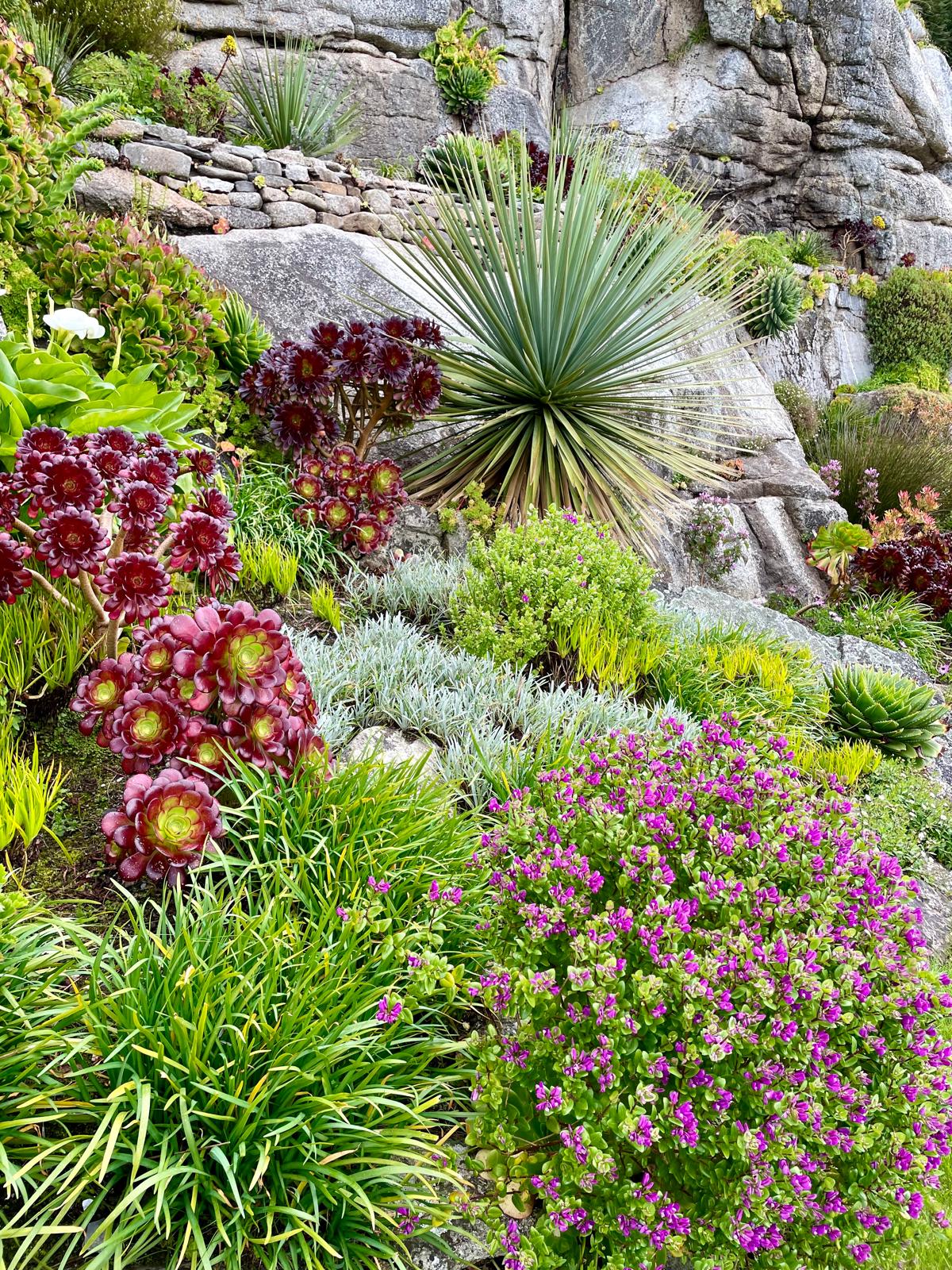
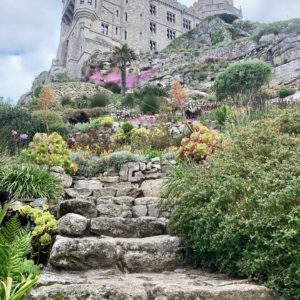
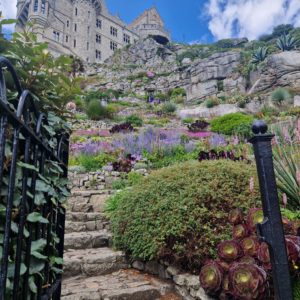
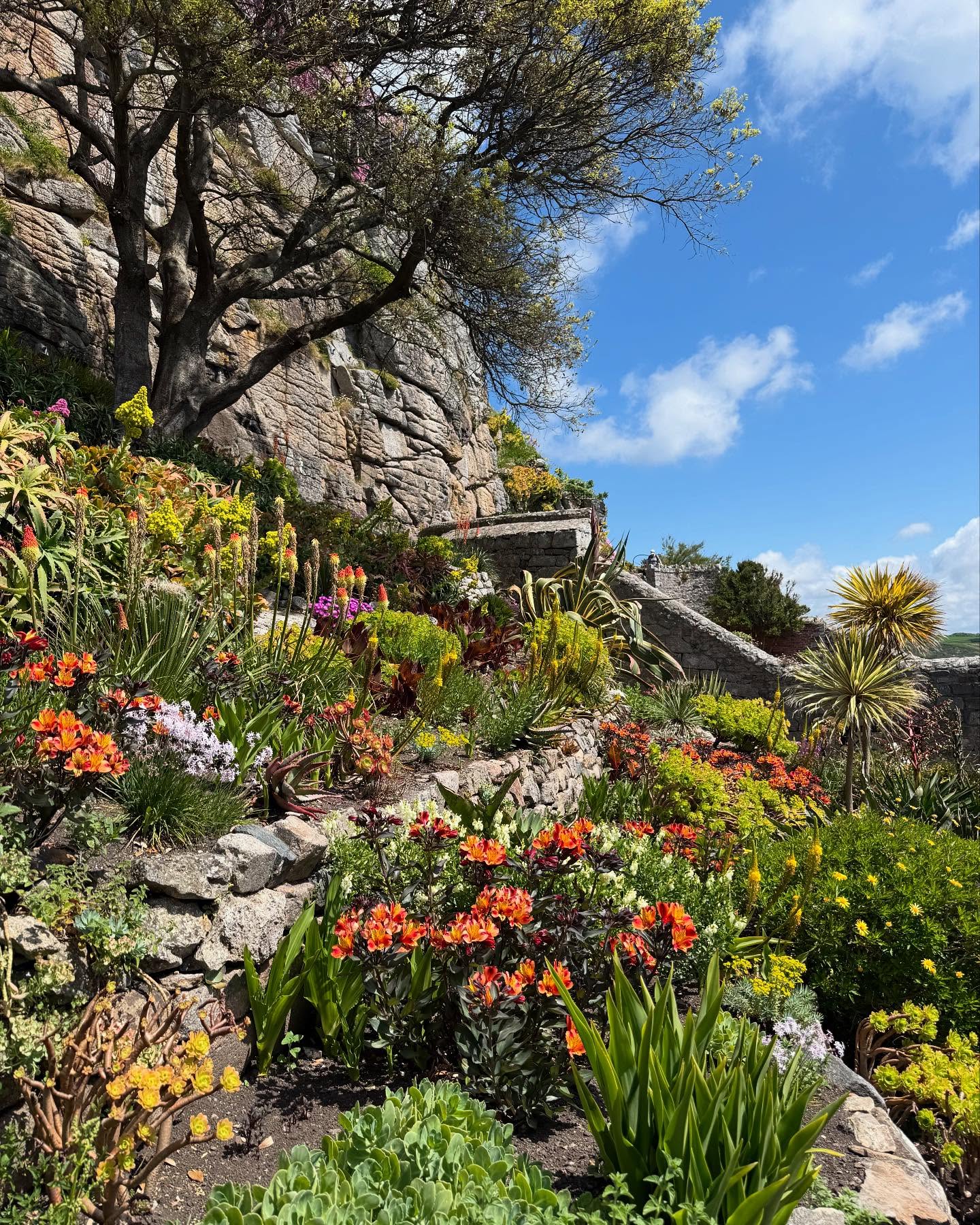
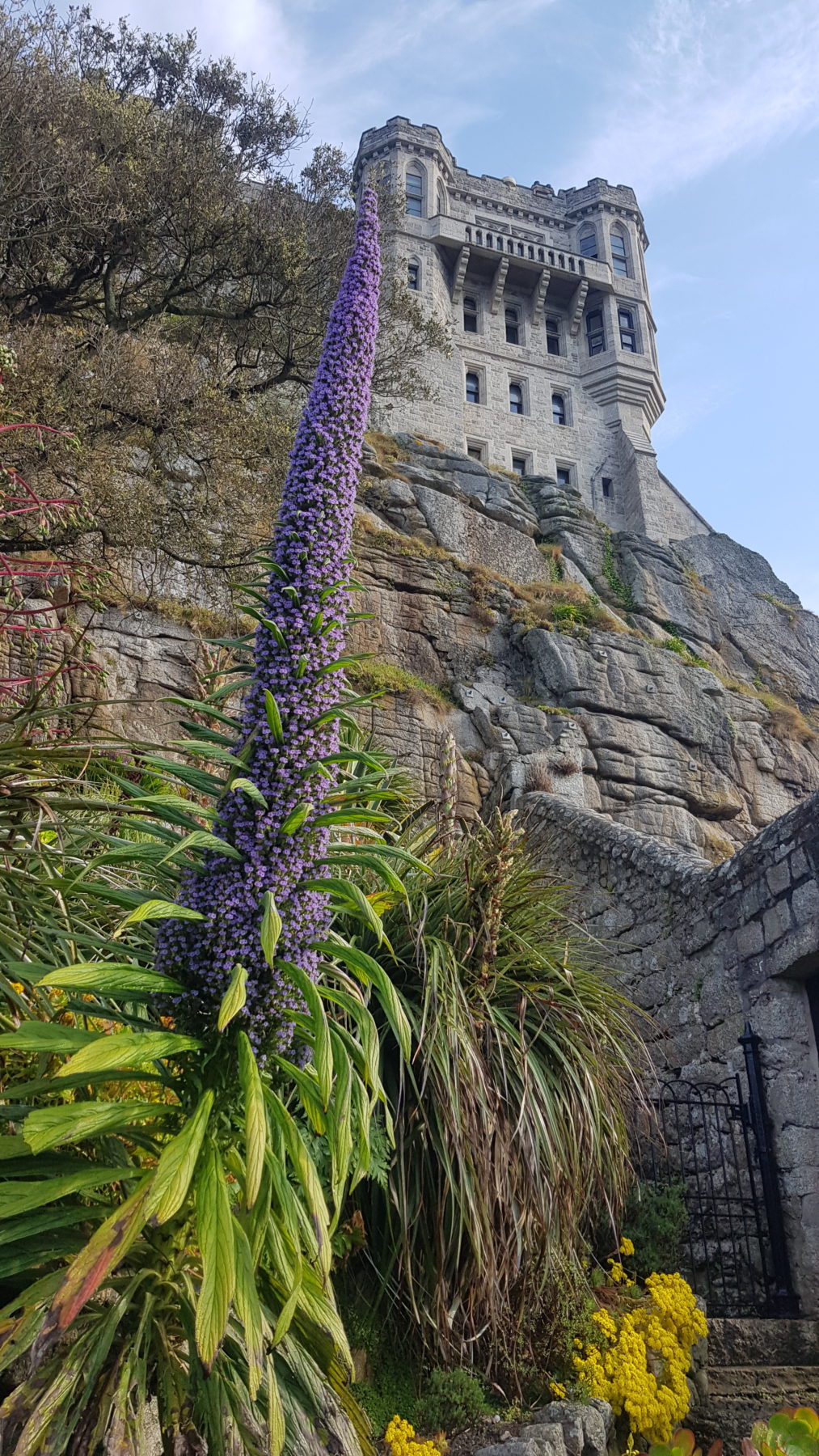
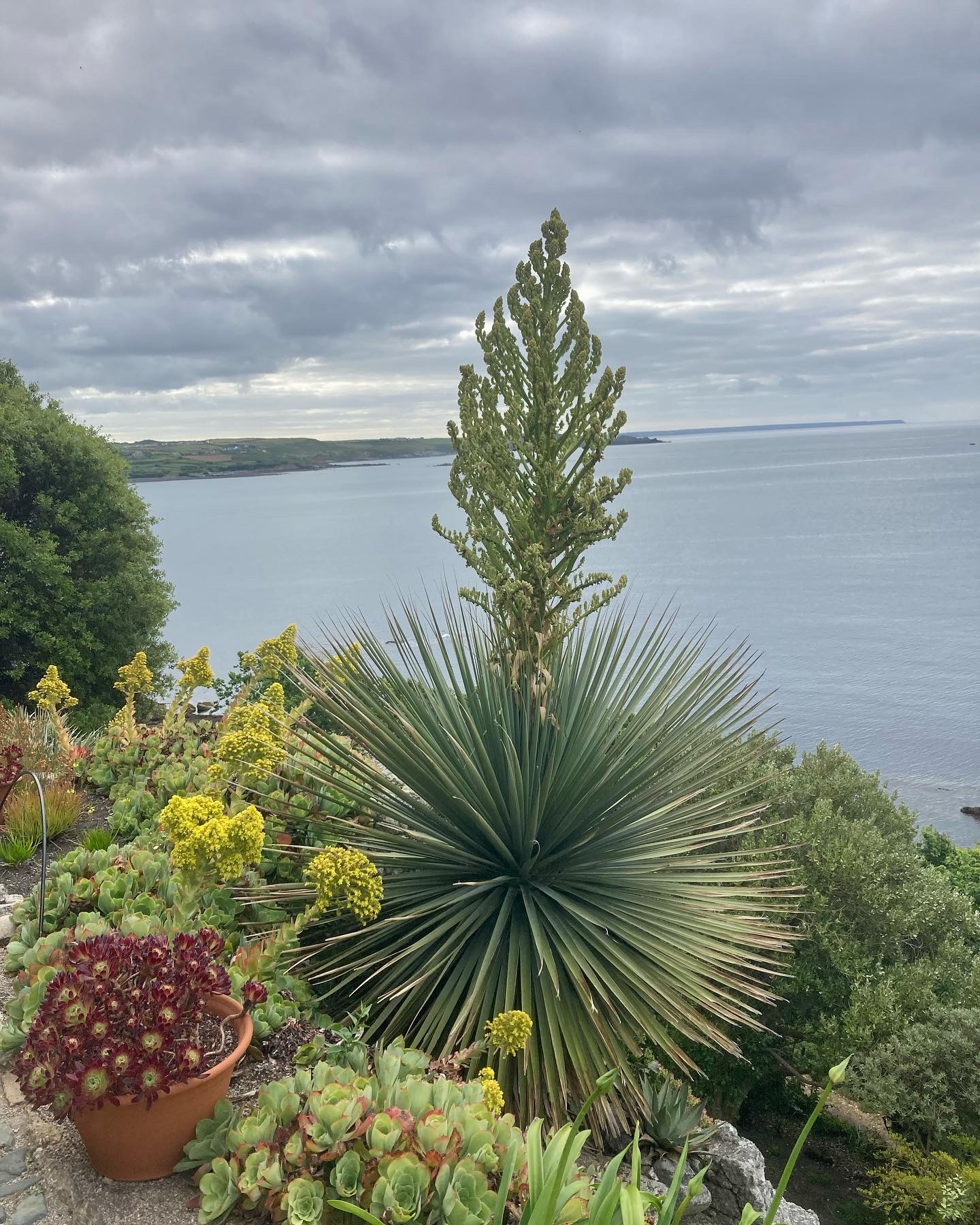
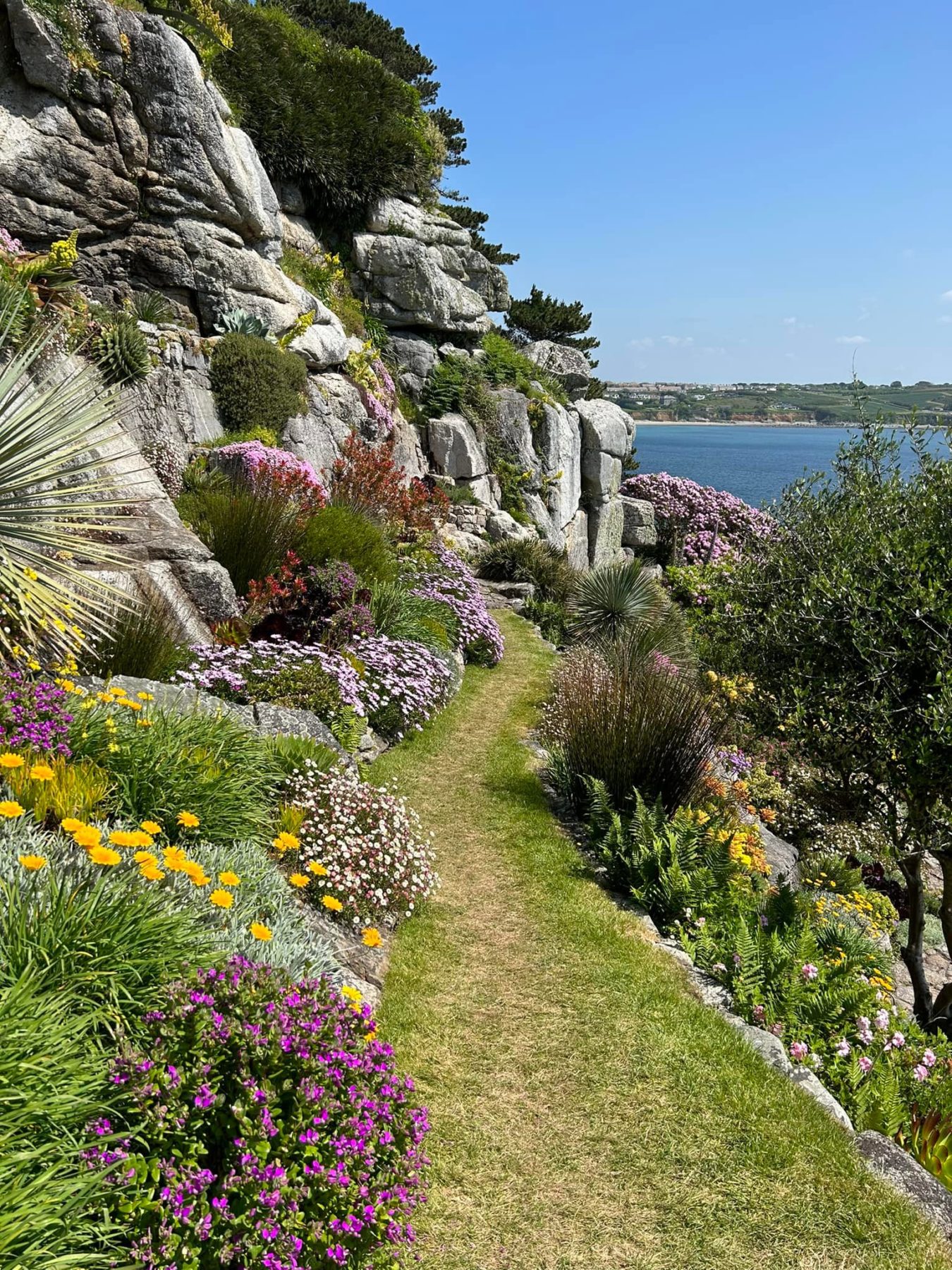
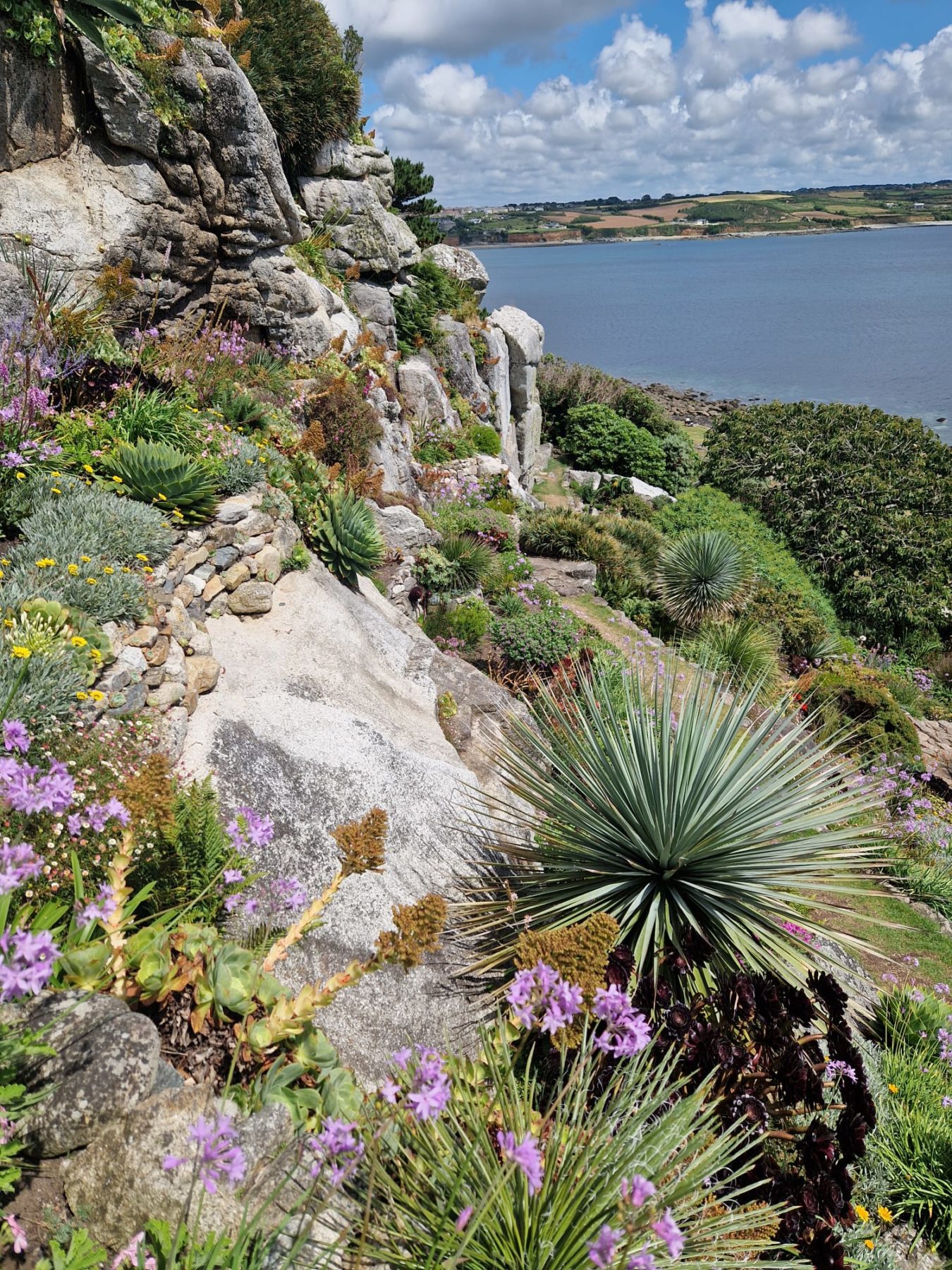
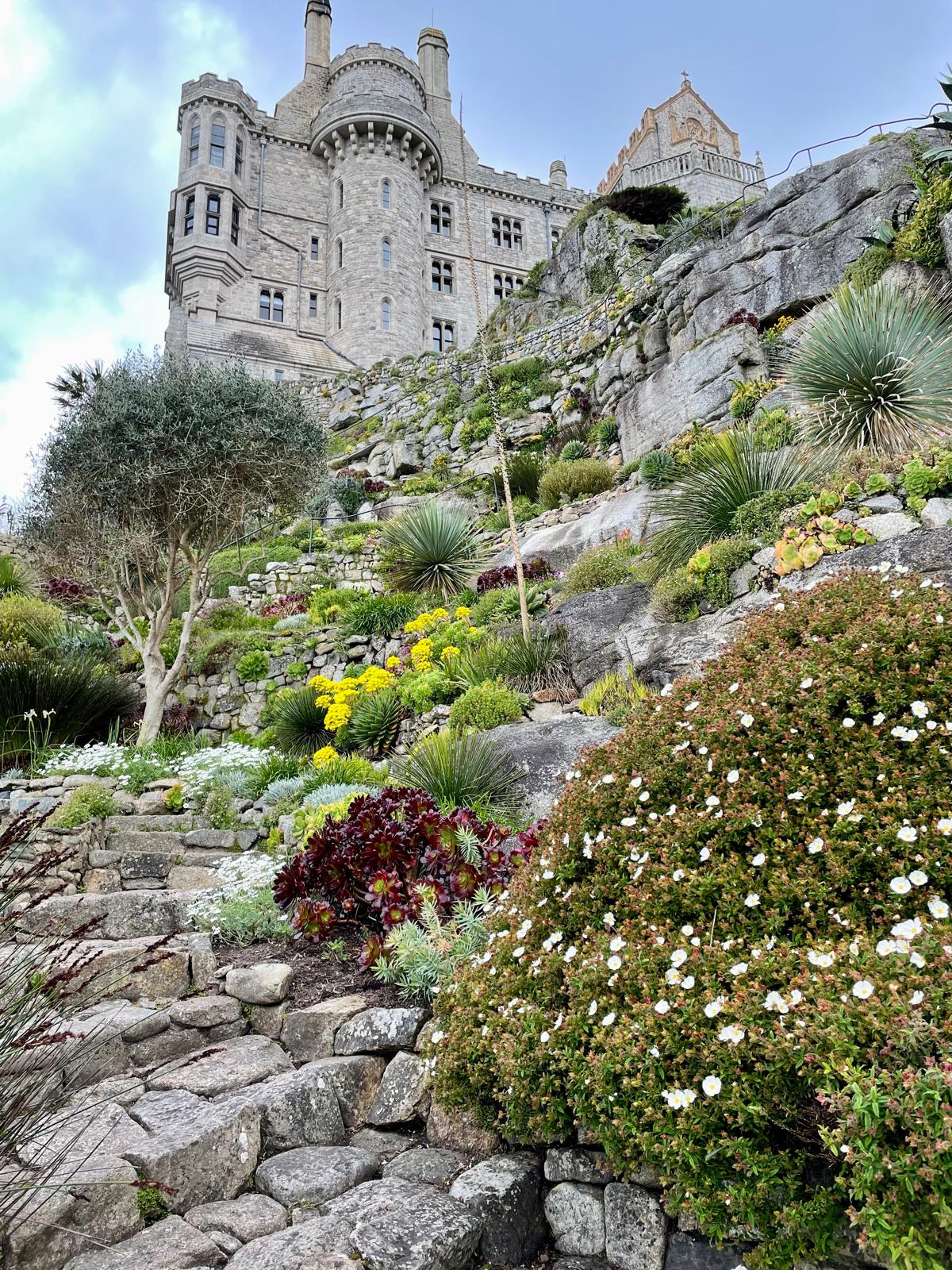
For those seeking a memorable garden in Cornwall, the garden on St Michael's Mount offers a truly distinctive experience. This beautiful, fragile, terraced garden was designed in 1878 for Sir John St Aubyn, later the 1st Lord St Levan, and would have delighted his family of eleven people. Aloes and agave rear out of the bedrock, tulbaghias wave their delicate heads, and binding threads of rosemary, lavender and lampranthus tumble down the terraces. Come and experience life beyond the castle walls...
Stroll among the steep, sloping terraces and you’ll spot all manner of unlikely plants, which thrive in this curiously mild microclimate. Despite the gales and salty winds that you’d expect here, frosts are a rarity and the rock acts as a gigantic radiator – absorbing the heat by day and releasing it at night.
Last entry to the garden: 15:45.
Book tickets by midnight the day before your visit to save with the Advance Booking Rate.
Preserving their delicate beauty
The private garden on St Michael’s Mount was built in 1887 for a family of 11. Last year just shy of 140,000 visitors were welcomed into them. The castle is robust, the garden are fragile and therefore have restricted opening times: Monday-Friday 10:00 - 15:45 from 1 May - 4 September 2026. However, the garden has been designed to be seen from above as well as from within and the incredible view from the castle battlements shows off the rich tapestry of the terraces below.
Highlights in the garden
Among the many highlights of this special garden in Cornwall are:
- The Victorian ‘Seagull Seat’, the perfect place to absorb the bay views from the top of the west terraces.
- Exotic succulents nestled among the granite bedrock in the east terraces and west terraces.
- A trip through time in the walled garden, designed by two daughters of the fourth baronet in 1780.
Don't forget to visit the Mount Shop to browse the collection of succulents found in the courtyard to take home a living memento from the island.

Tickets & prices
Garden tickets include access to the harbour, gallery, village, lawns, shops and café. Alternatively, you can purchase a combi ticket, which also gives you access to the castle or book an Afternoon Tea which includes complimentary garden admission. The below prices are part of the Summer Savings campaign:
Adult: £14 (£12.25 with the Advance Booking Rate)
Child (5-15): £7 (£6.13 with the Advance Booking Rate)
Under 5: free
Book tickets by midnight the day before your visit to save with the Advance Booking Rate. The garden is open Monday-Friday and closed at the weekends. Assistance dogs only in the garden.
Hidden corners of the garden
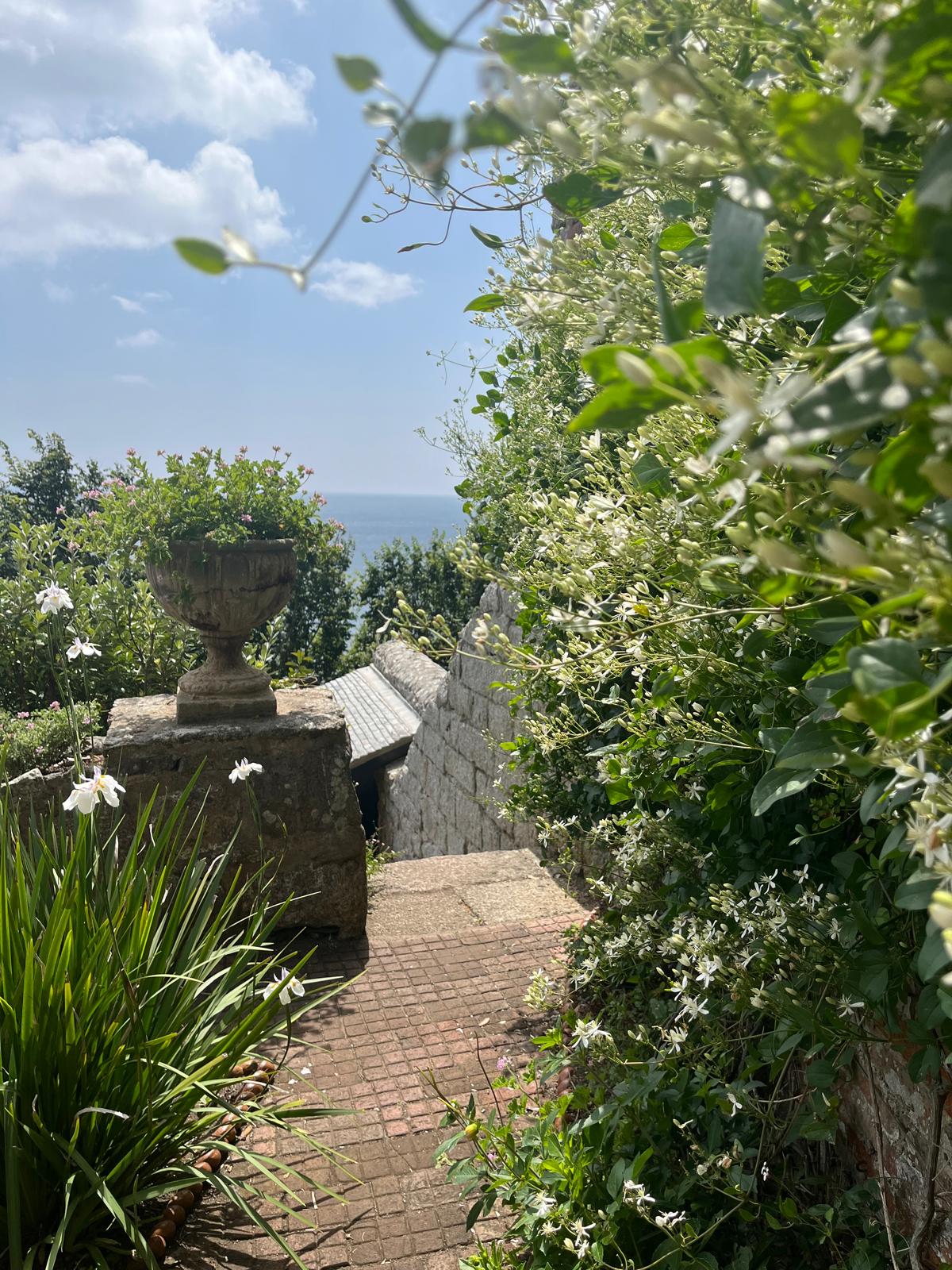
The terraces are home to a world of hidden corners and tucked-away treasures, where winding paths lead you through pockets of calm and beauty.
Here, the garden’s best-kept secrets are waiting to be found, offering moments of stillness and wonder away from the main paths, where sunlight and shadows create a sense of timeless escape.
A year in this special garden in Cornwall
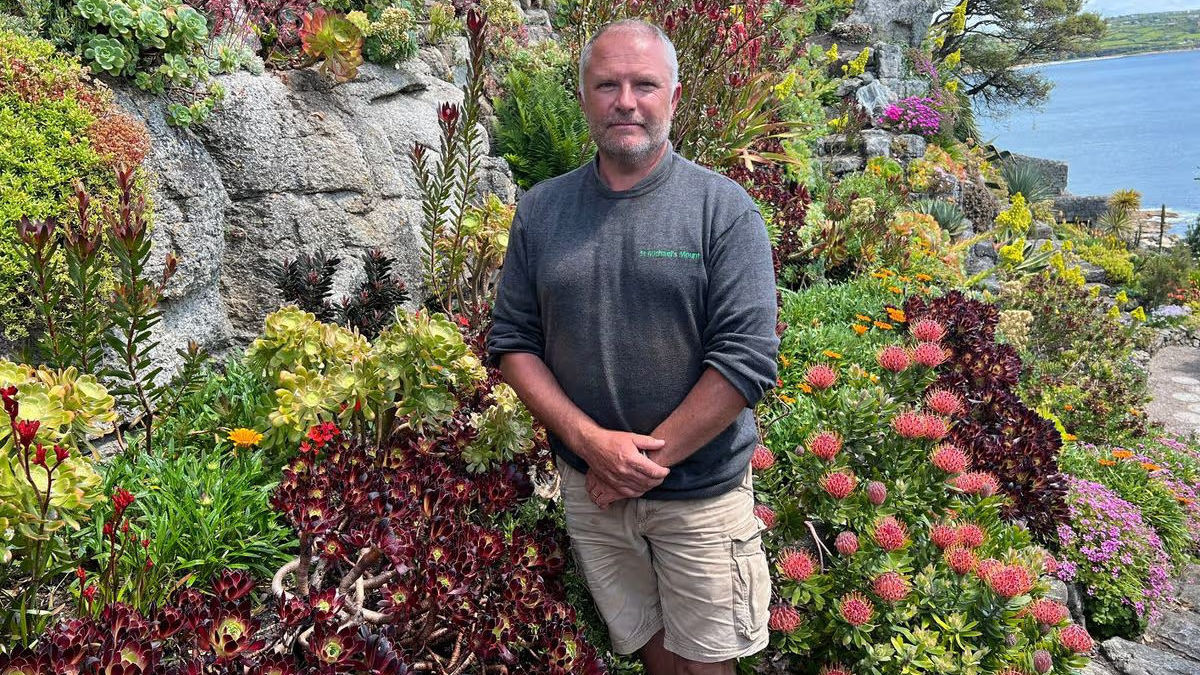
From spring bulbs and vibrant summer borders to autumn colour and the dormant winter months, this unique garden in Cornwall on St Michael's Mount changes with the seasons. The calendar below offers a month-by-month guide to what you can expect to see throughout the year, with commentary from Head Gardener Darren Little.
 September
  January
 February
 March
March
 April
April
 May
May
 June
June
 July
July
 August
September
August
September
 October
 November
 December
January Closed to Public
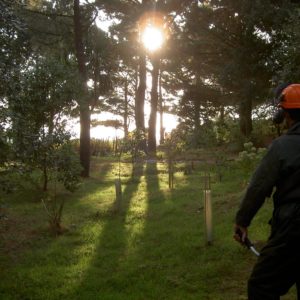
Caring for the island’s woodland heritage
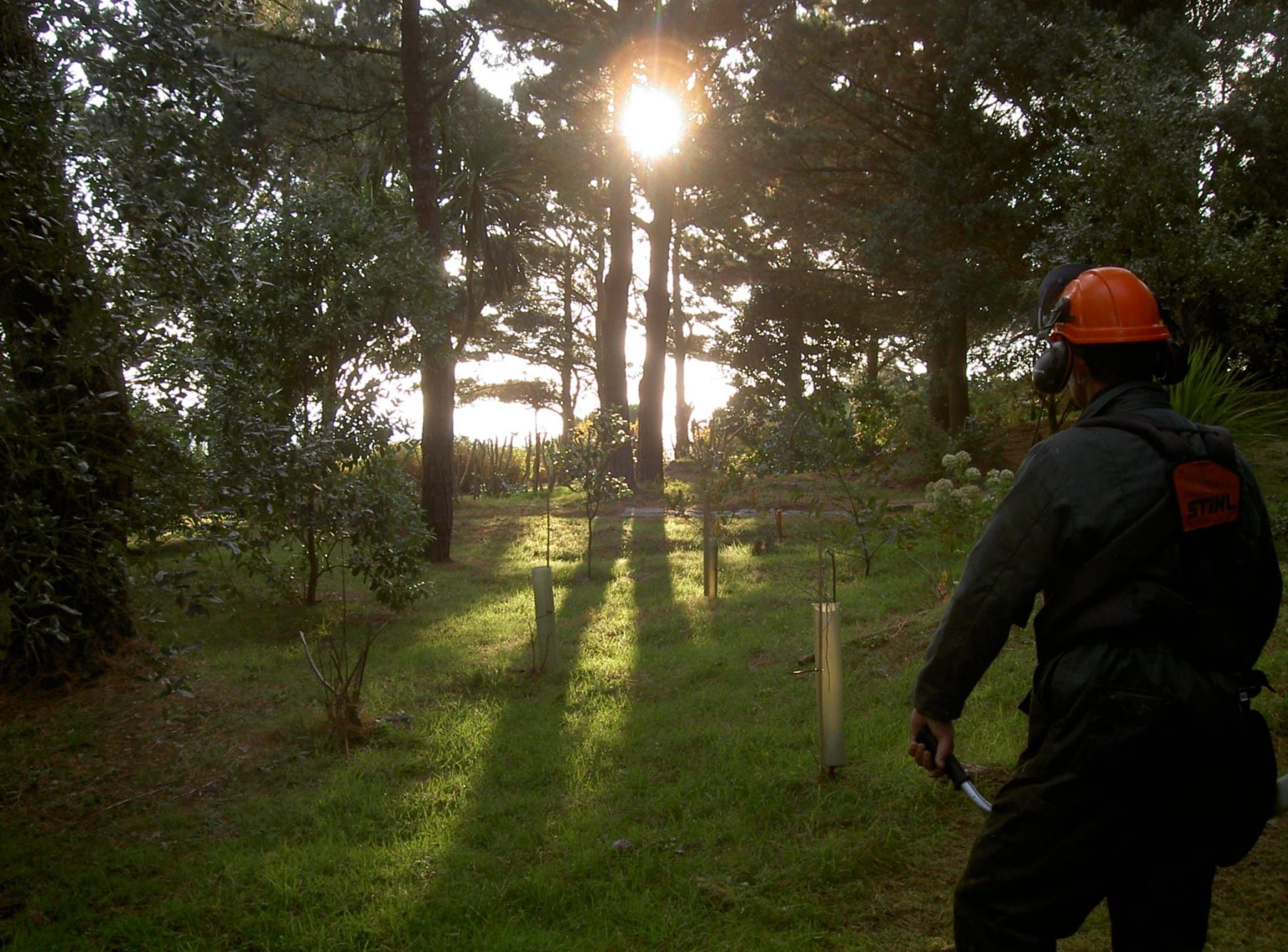
"In January, our gardening team carries out a detailed tree survey, which is an essential step in caring for the many trees that thrive in the island’s demanding and exposed environment. The survey not only helps us understand the varied needs of each tree, but also ensures we secure the necessary permissions for any work, as the island sits within a conservation area. Come January, our chainsaw-qualified gardeners carefully undertake the approved work, ensuring the health, safety, and longevity of these remarkable trees. Dry stone walls will be repaired, along with the stony steps, while various horticultural jobs will be undertaken in the narrow borders that cannot be done when visitors are exploring."
Highlight of the Month
The low planting in the garden ensures the plants are sheltered from much of the cold winter weather.
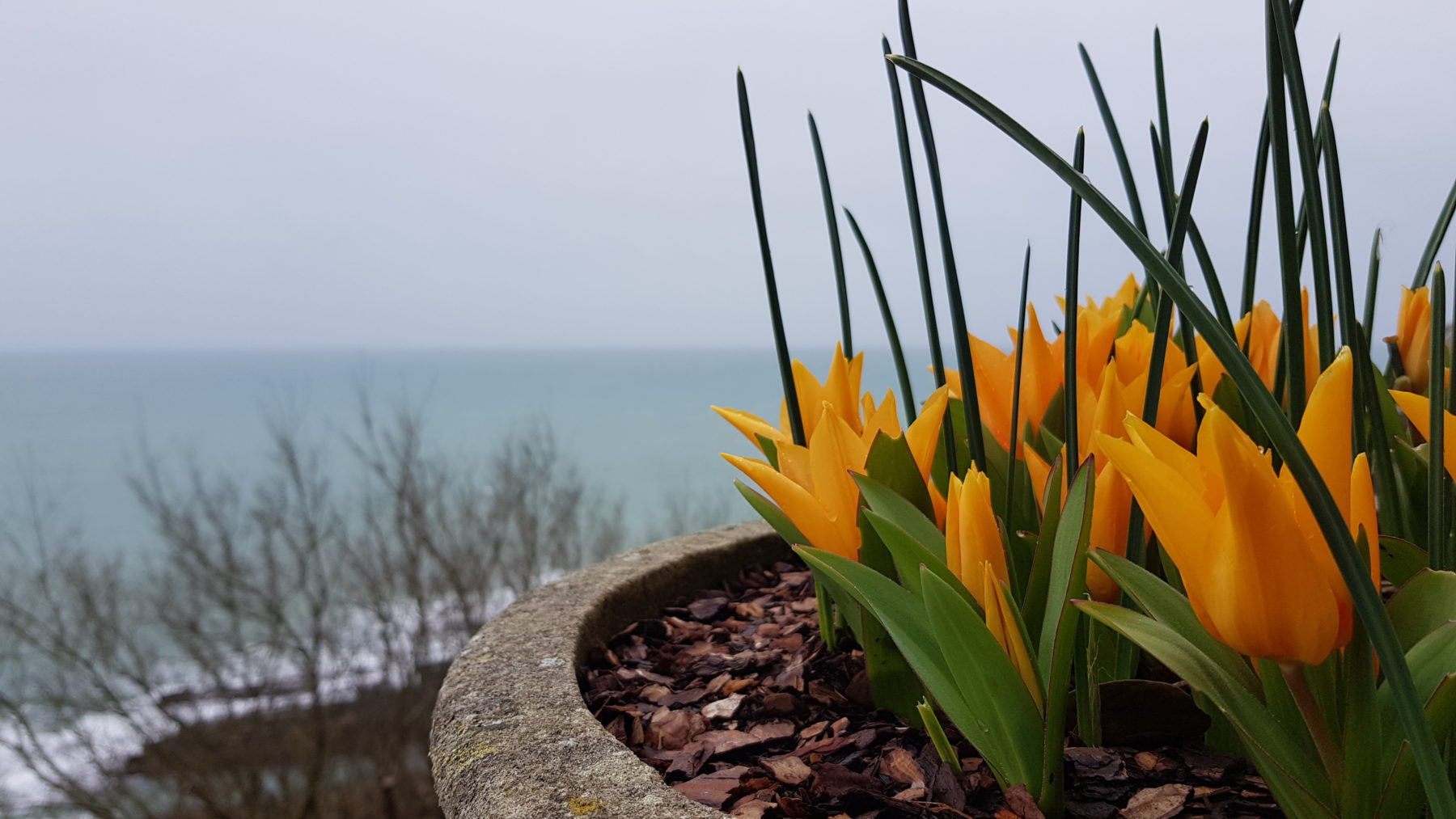
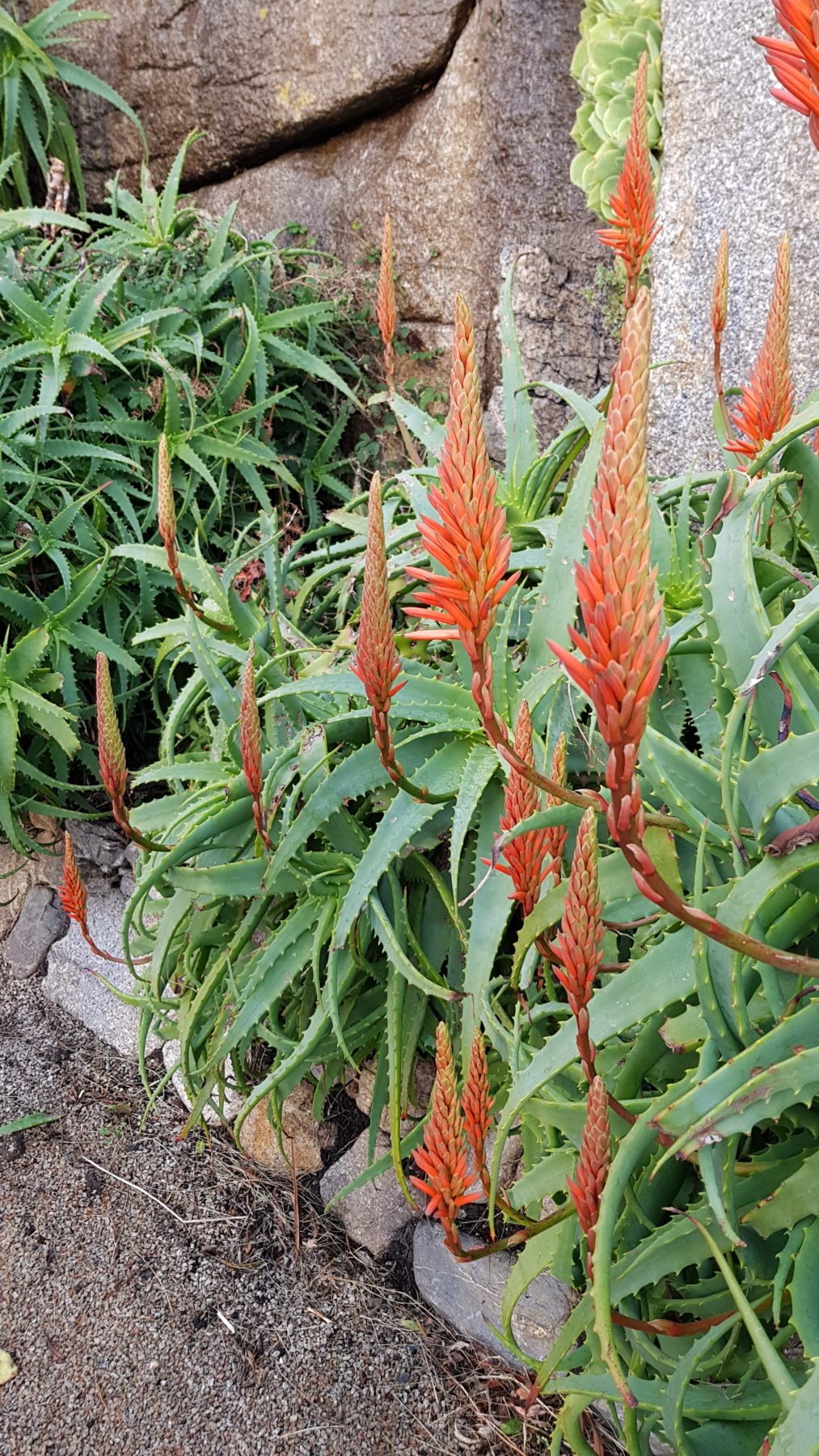
February Closed to Public
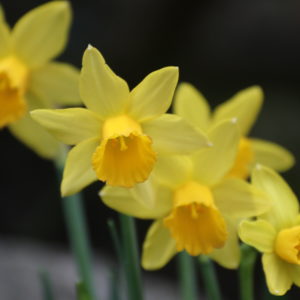
Living granite walls
"Winter is a vital time for maintaining the garden’s cobbles, steps, and walls. Unlike modern construction, our walls are built with soil rather than cement, a traditional method that requires regular upkeep but offers unique rewards. This technique allows us to create planting pockets within the stonework, where new succulents can be introduced. These plants flourish here, as the granite walls act like natural radiators absorbing warmth during the day and releasing it at night. By working with these conditions, we are able to push horticultural boundaries and grow species that many gardeners would find challenging in their own plots."
Highlight of the Month
Replanting, weeding, cobbling, wall building and scarifying seeding all take place on the lead-up to spring.
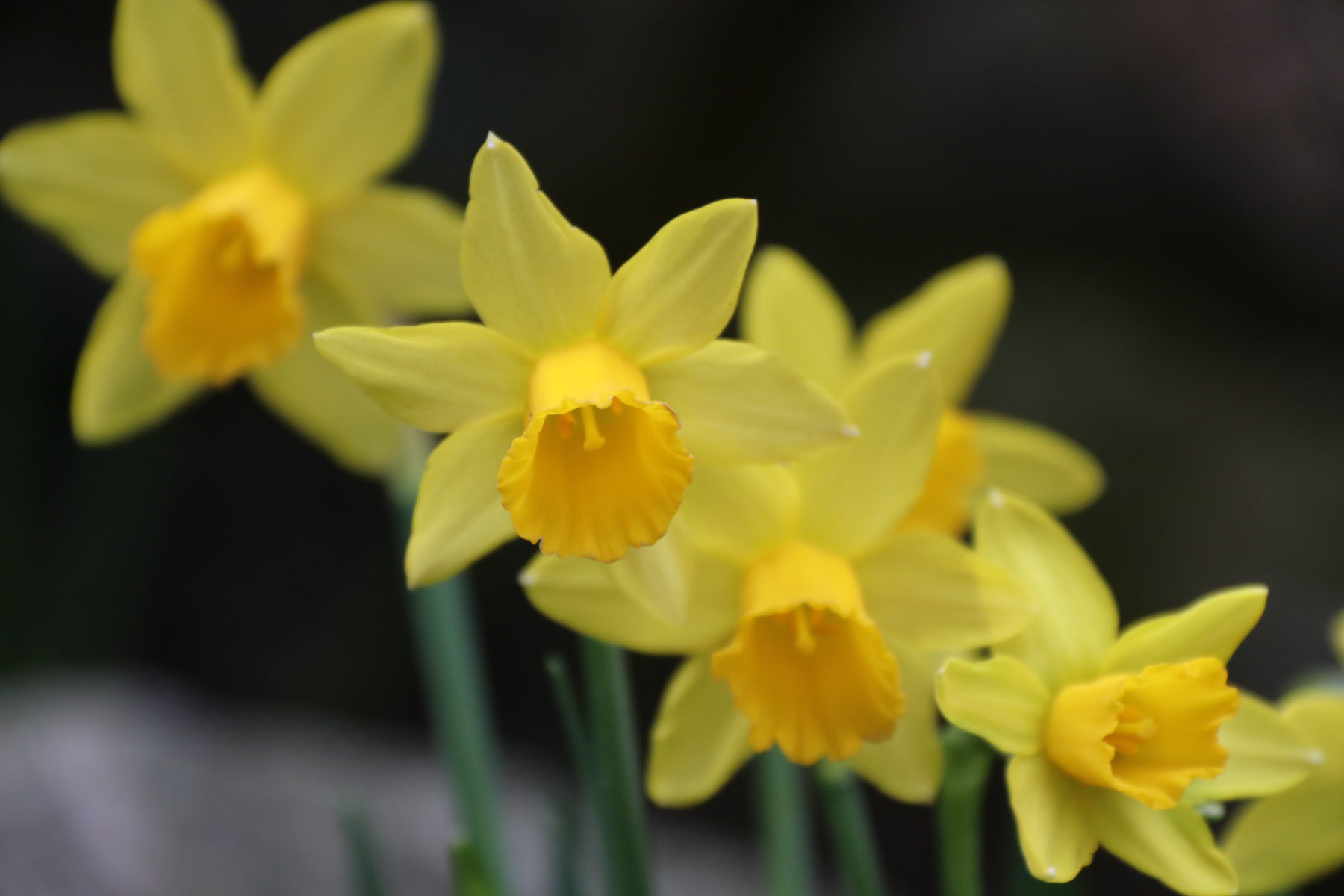
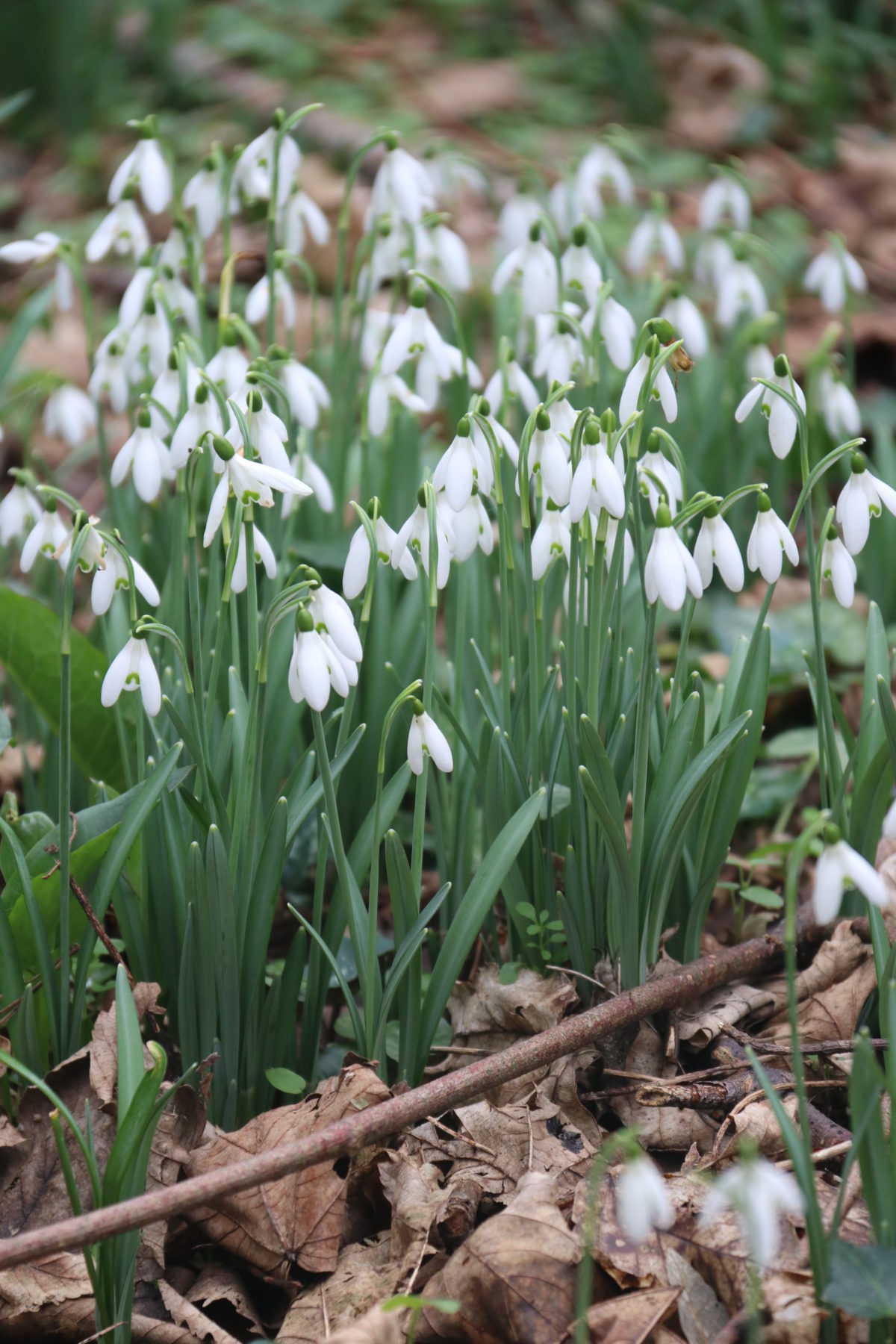
March Closed to Public
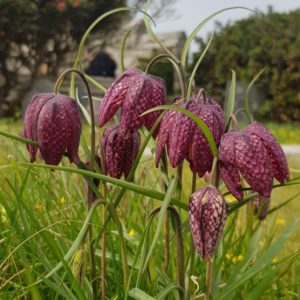
Pruning with the changing season
"February and March are the key months for pruning shrubs in the gardens, though our unique microclimate often means beginning as early as January. Even our pelargoniums remain outdoors through winter, pruned back to new growth in late winter or early spring, sometimes while still in flower. This not only refreshes the plants but also helps them recover from wind burn, a common challenge in our exposed setting. Our approach is shaped by the island’s conditions, reminding us that successful gardening often requires adapting beyond the pages of horticultural handbooks."
Highlight of the Month
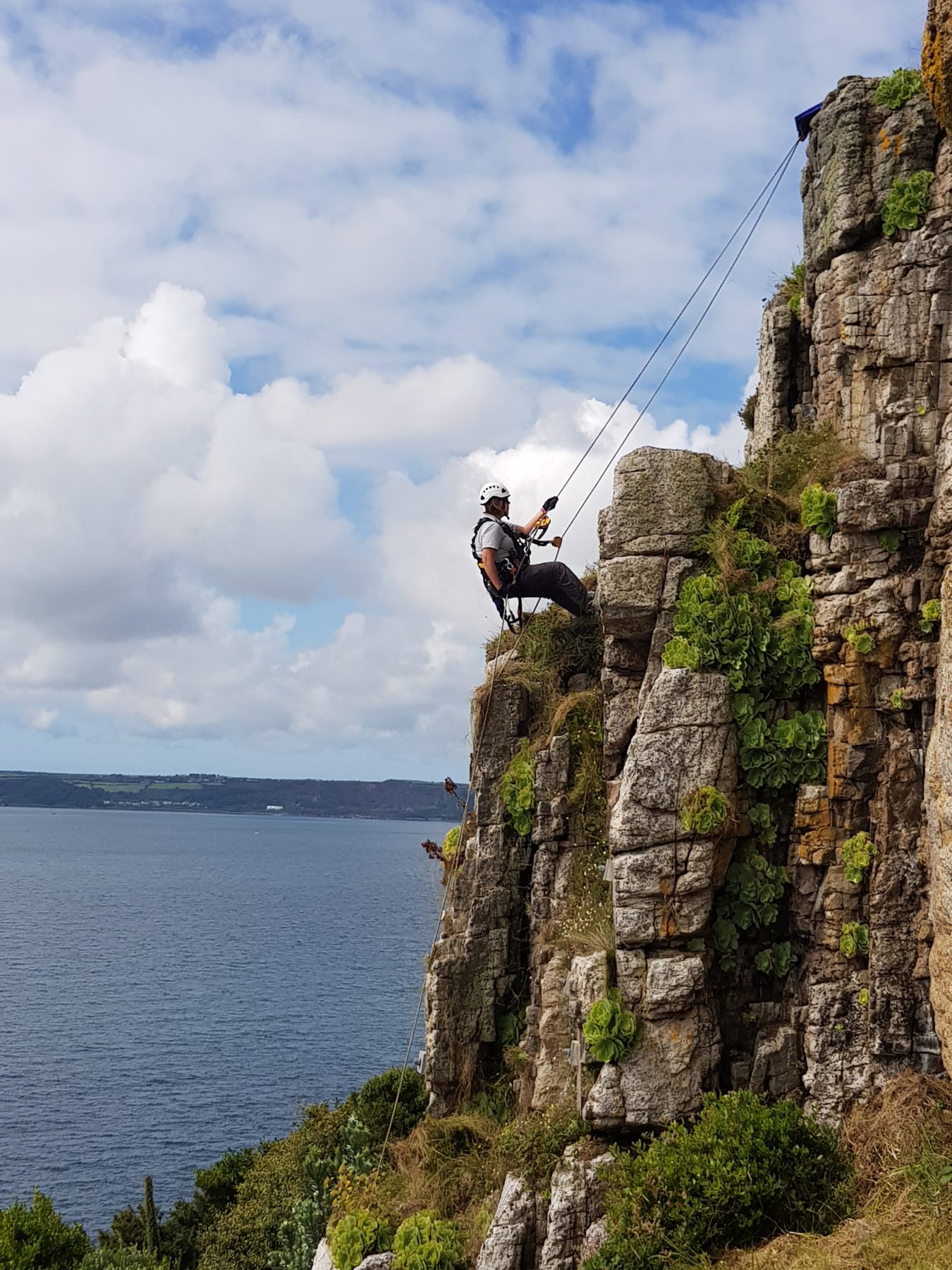
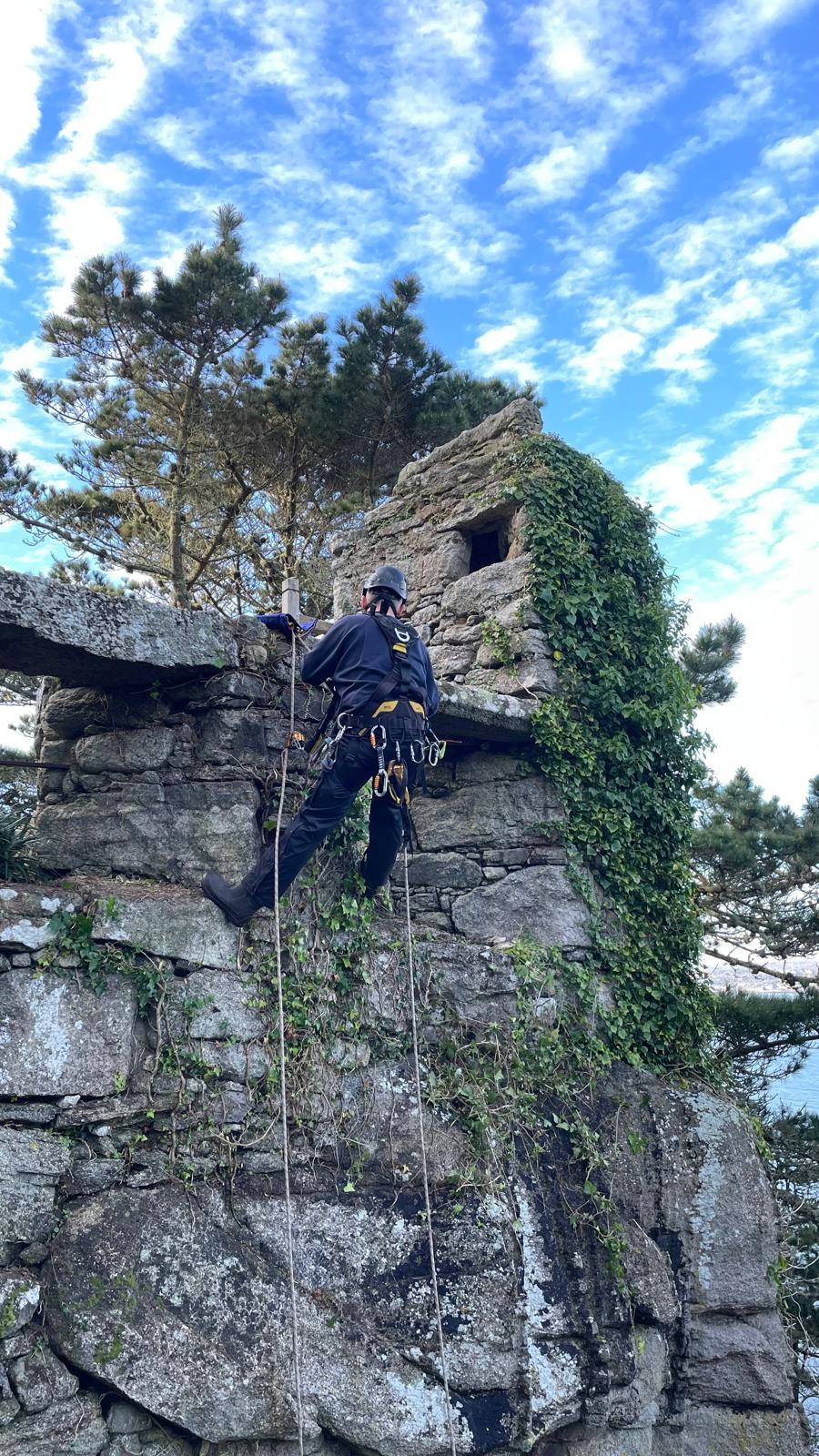
The gardeners will abseil in March to do a spot of 'extreme weeding' on the granite cliffs to clear the weeds from the rocks.
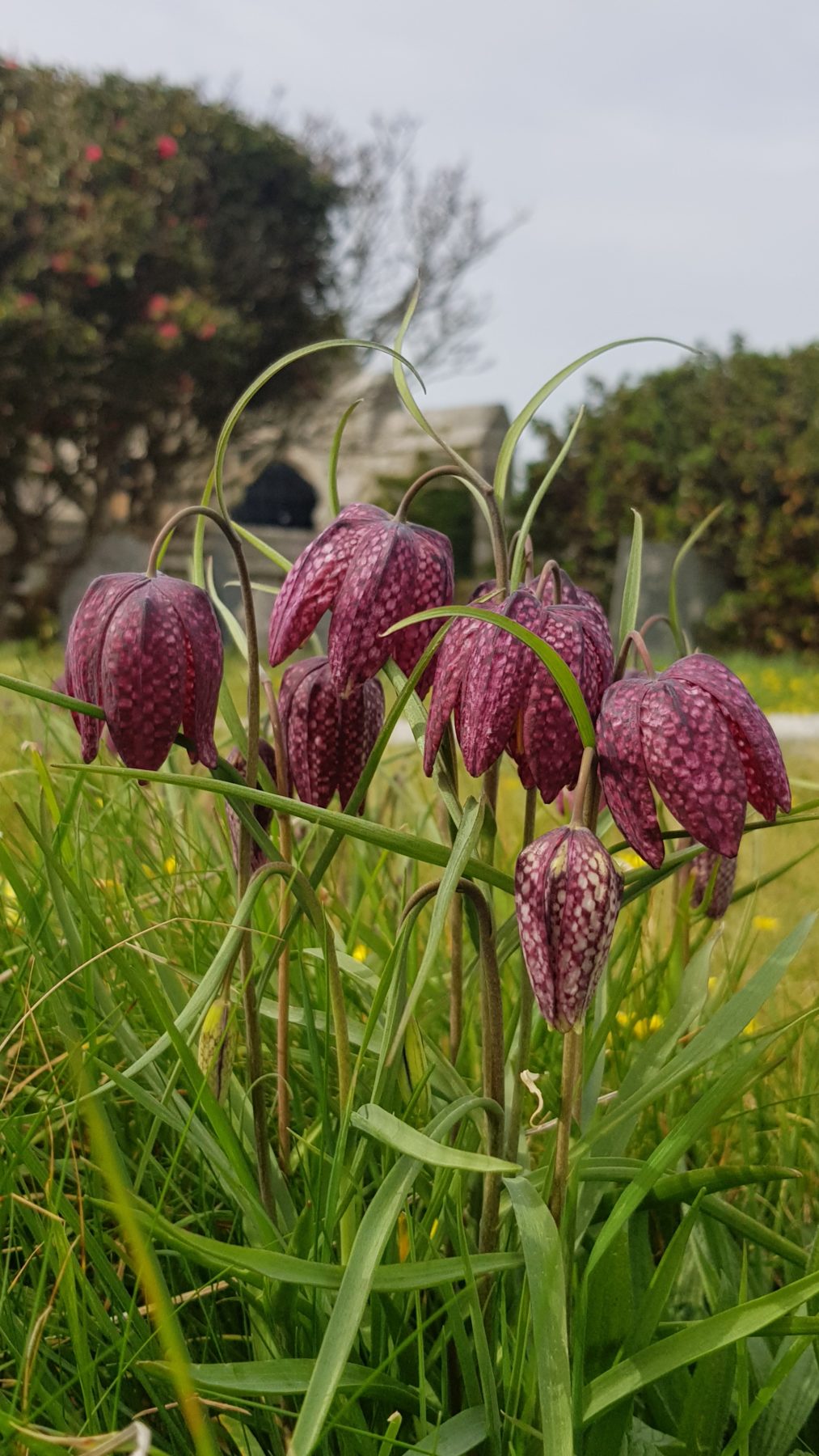
April Closed to Public
Spring planting and propagation
"Spring marks a busy season of planting in the gardens, much of it supported by propagation carried out here on the island. Each year, around 800 cuttings are taken to ensure we have a rich collection ready to be replanted once the weather improves. After the challenges of wet winters, this replenishment is essential. Many plants, such as tulbaghia, canna, and persicaria, are also divided to encourage healthy growth and to spread their presence more widely throughout the gardens, adding both resilience and beauty to our displays."
Highlight of the Month
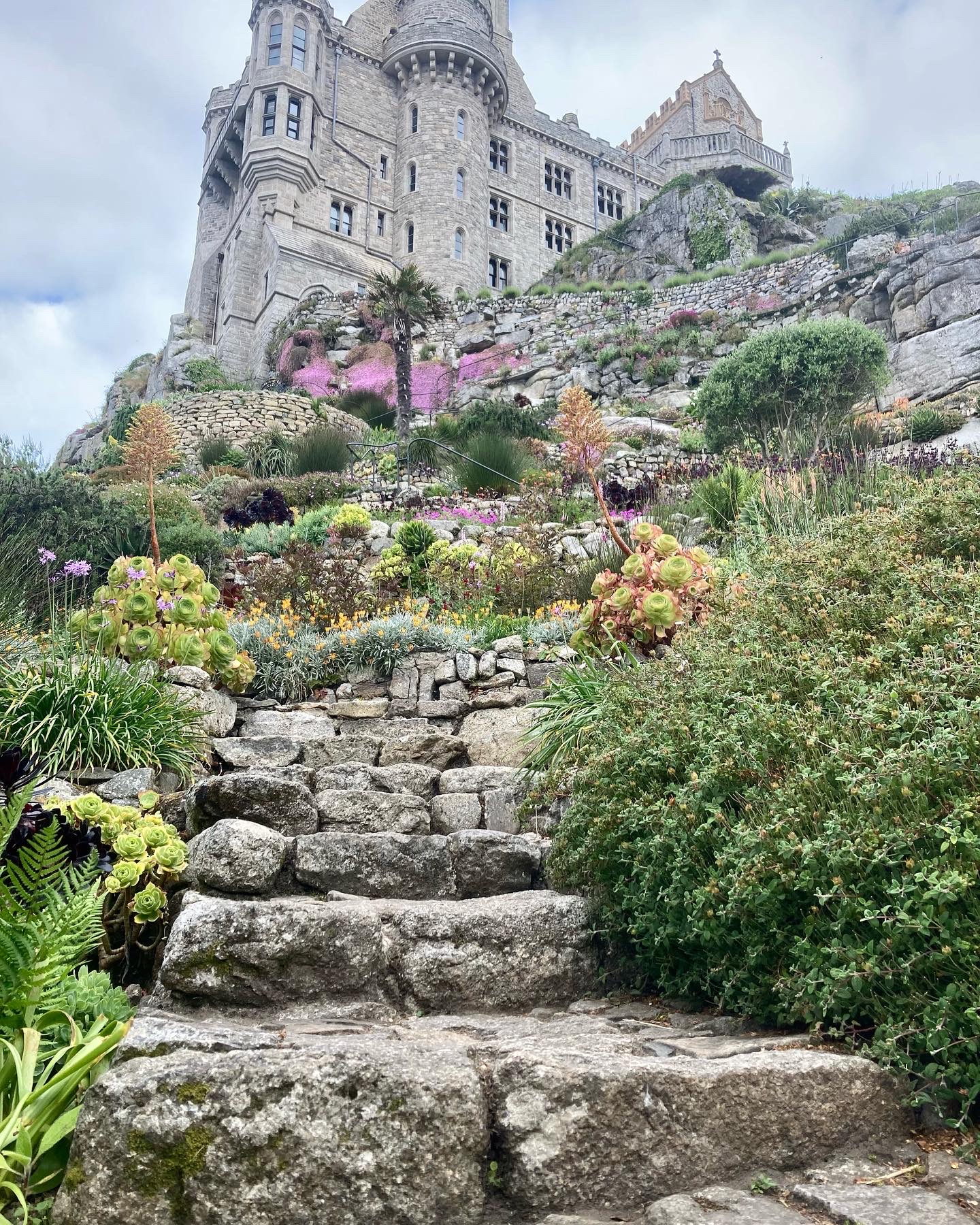
Soft lilacs, pastel pinks, pale yellows and whites merge in a delicate wash of colour.
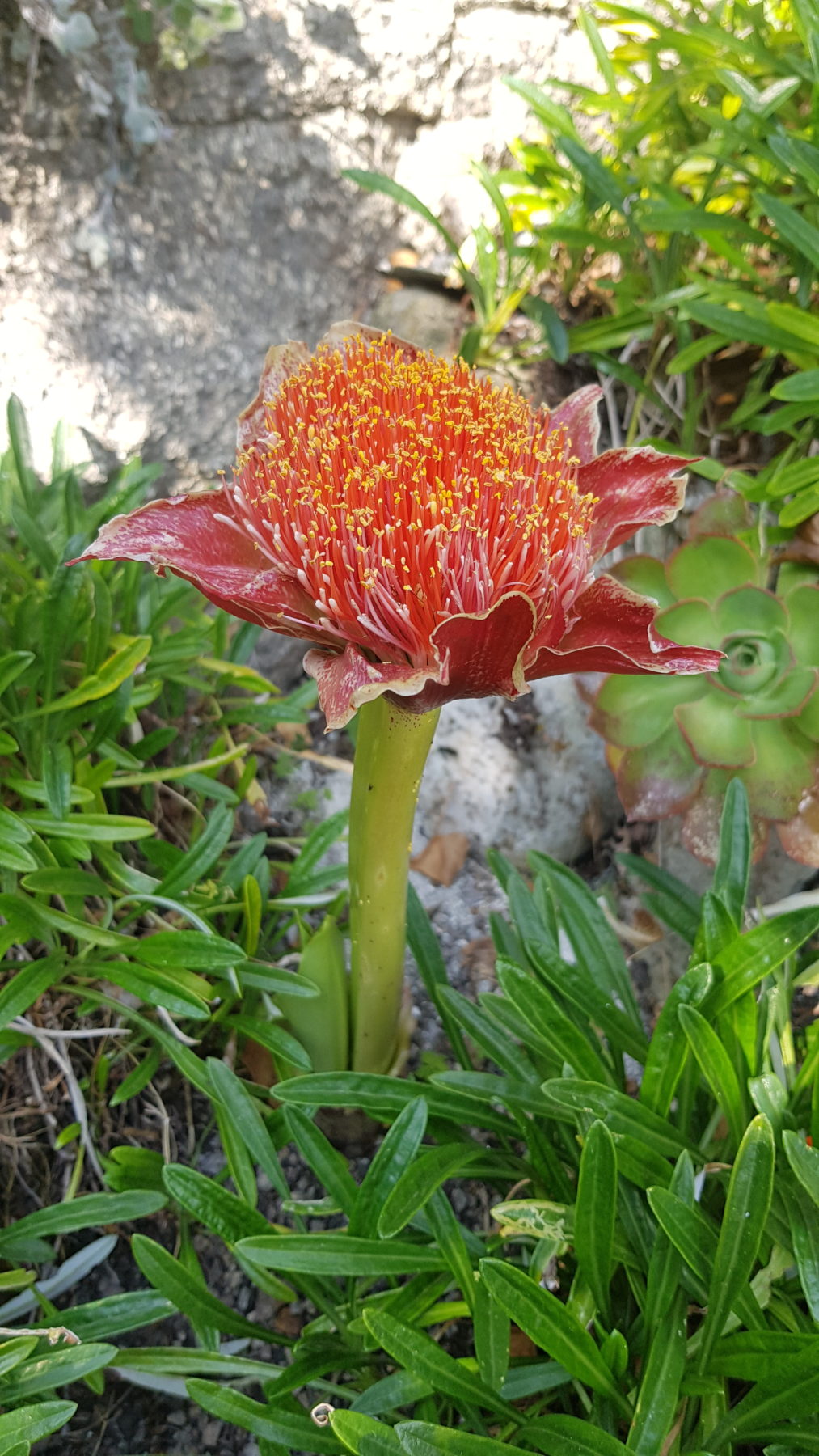
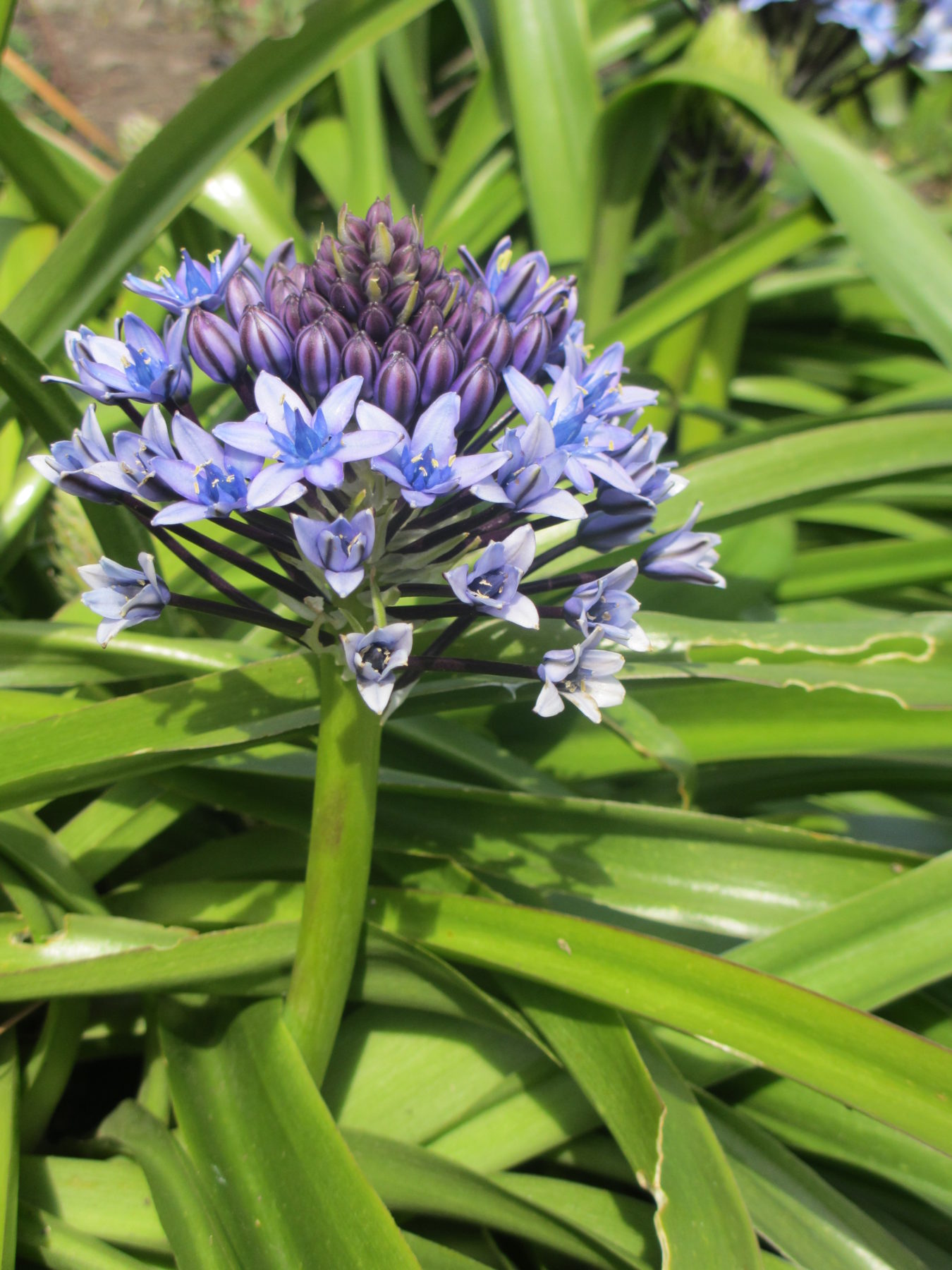
May Open to Visitors
Embracing 'No Mow May'
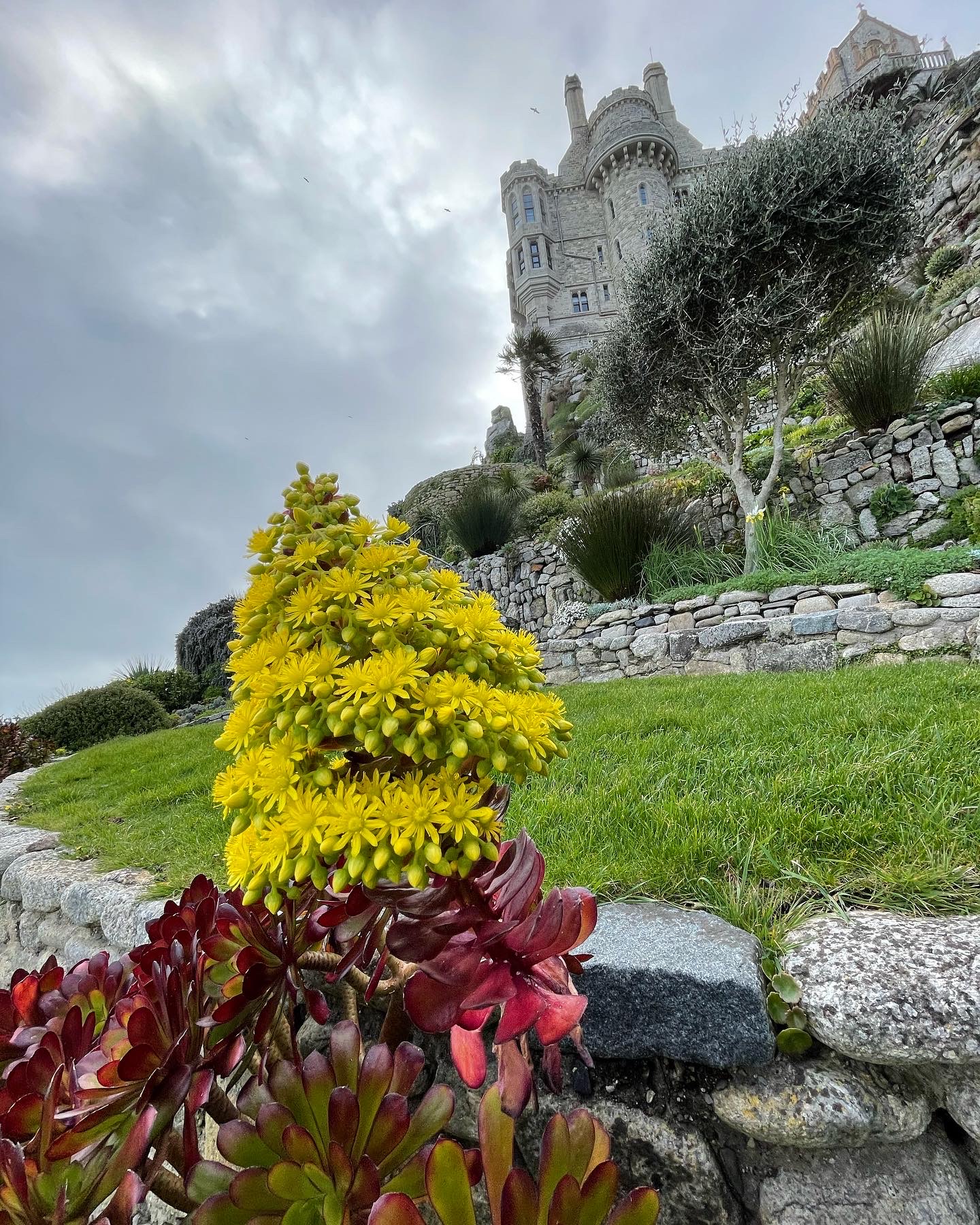
"Around five acres of grassland at the base of the island are dedicated to wildflowers, supported by initiatives such as 'No Mow May'. Yet, our mild Cornish winters and early springs often bring blooms as early as April; sometimes earlier. This natural shift has encouraged us to adapt the scheme, beginning our ‘no mow’ period ahead of schedule to better align with the rhythms of the island. By mid-May, many of these areas have already finished flowering and scattered their seeds, ensuring a vibrant return the following year. Aloes and agave rise from the bedrock, while tulbaghias move gently in the spring air and the aeoniums and pelargoniums come into bloom."
Highlight of the Month
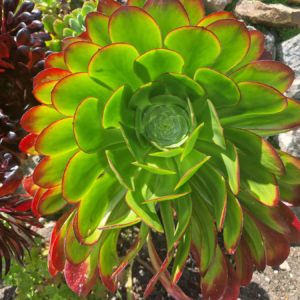
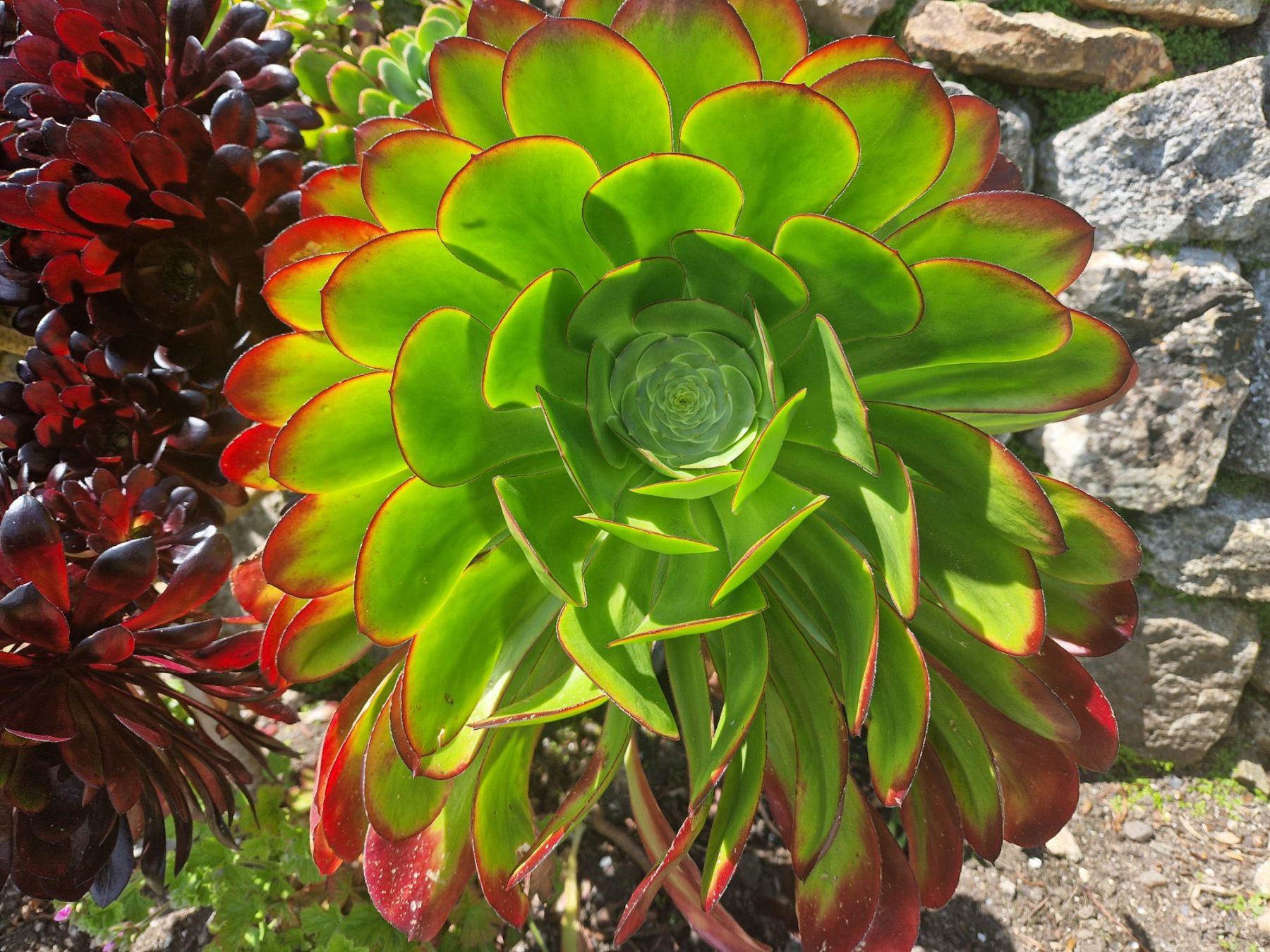
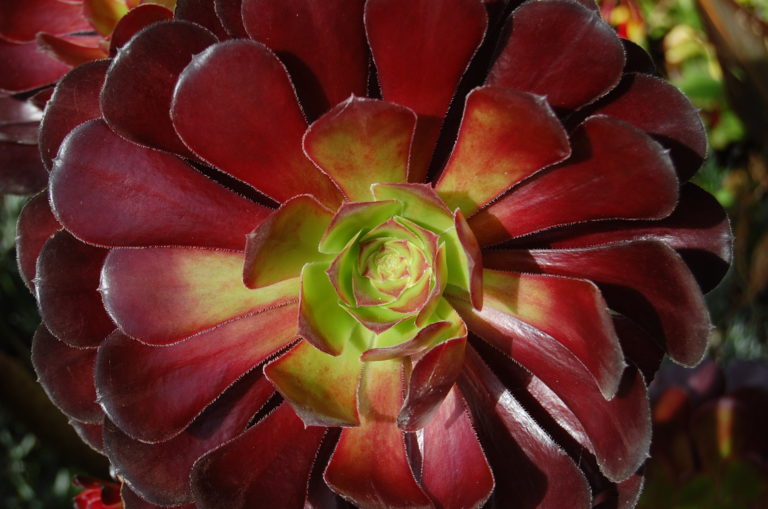
As the sun starts to shine, the aeoniums and pelargoniums begin to flourish.
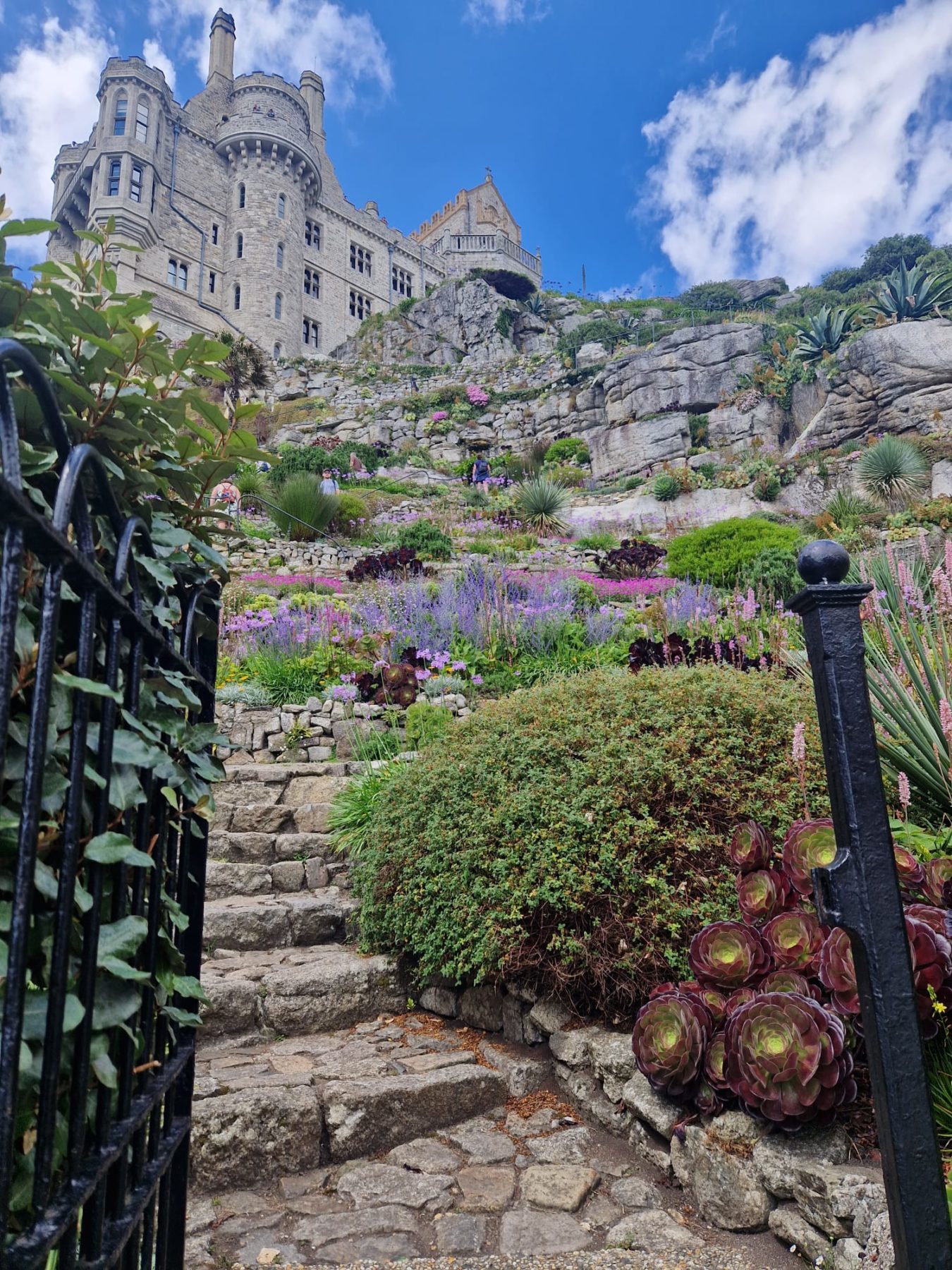
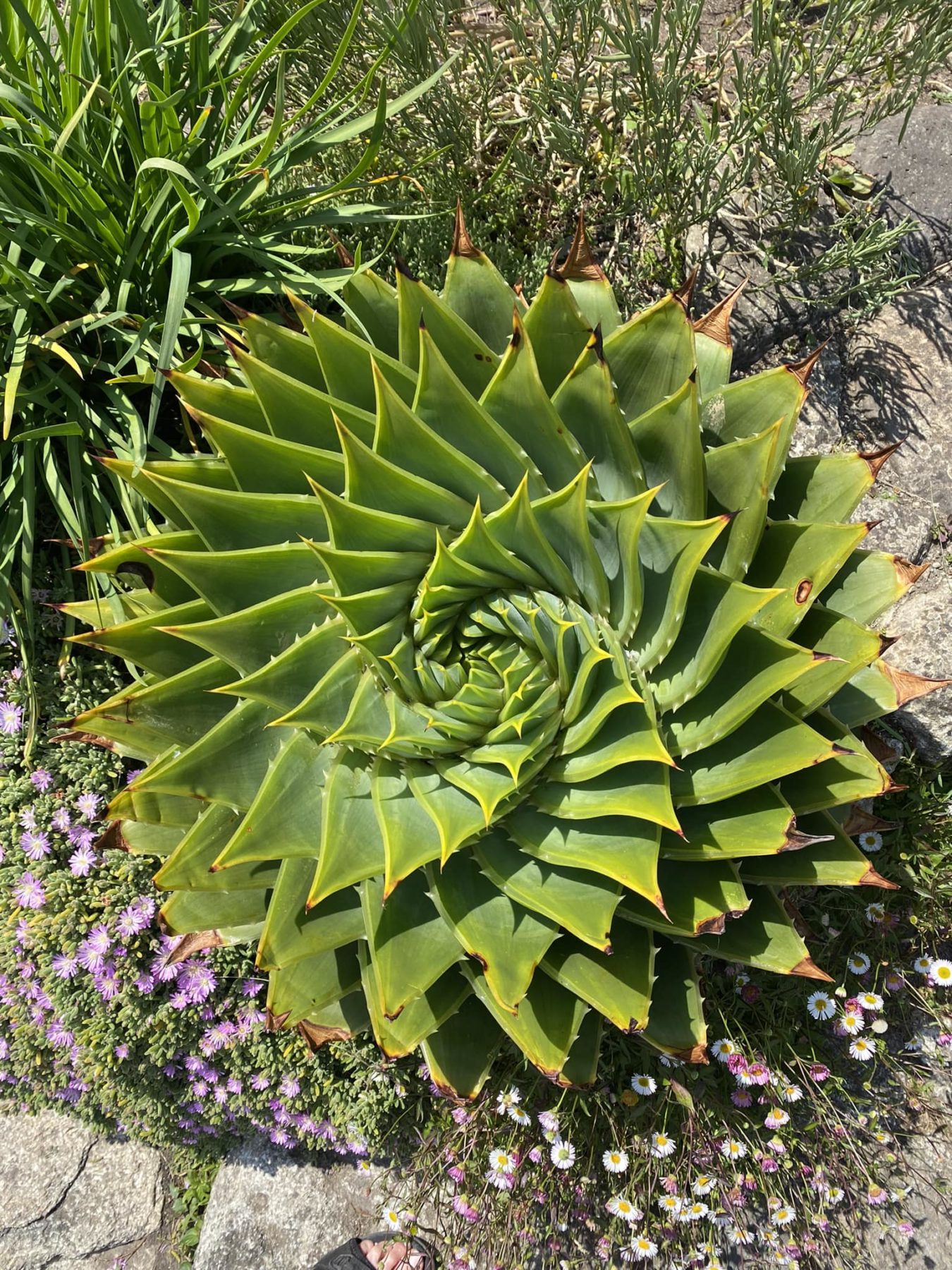
June Open to Visitors
Preparing the ground for renewal
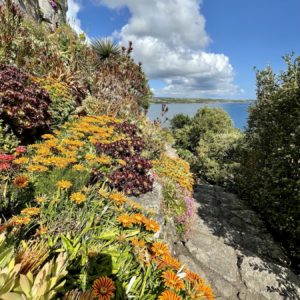
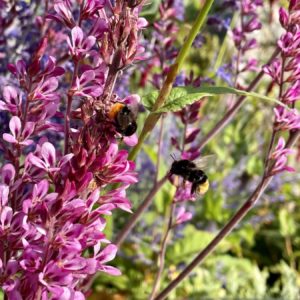
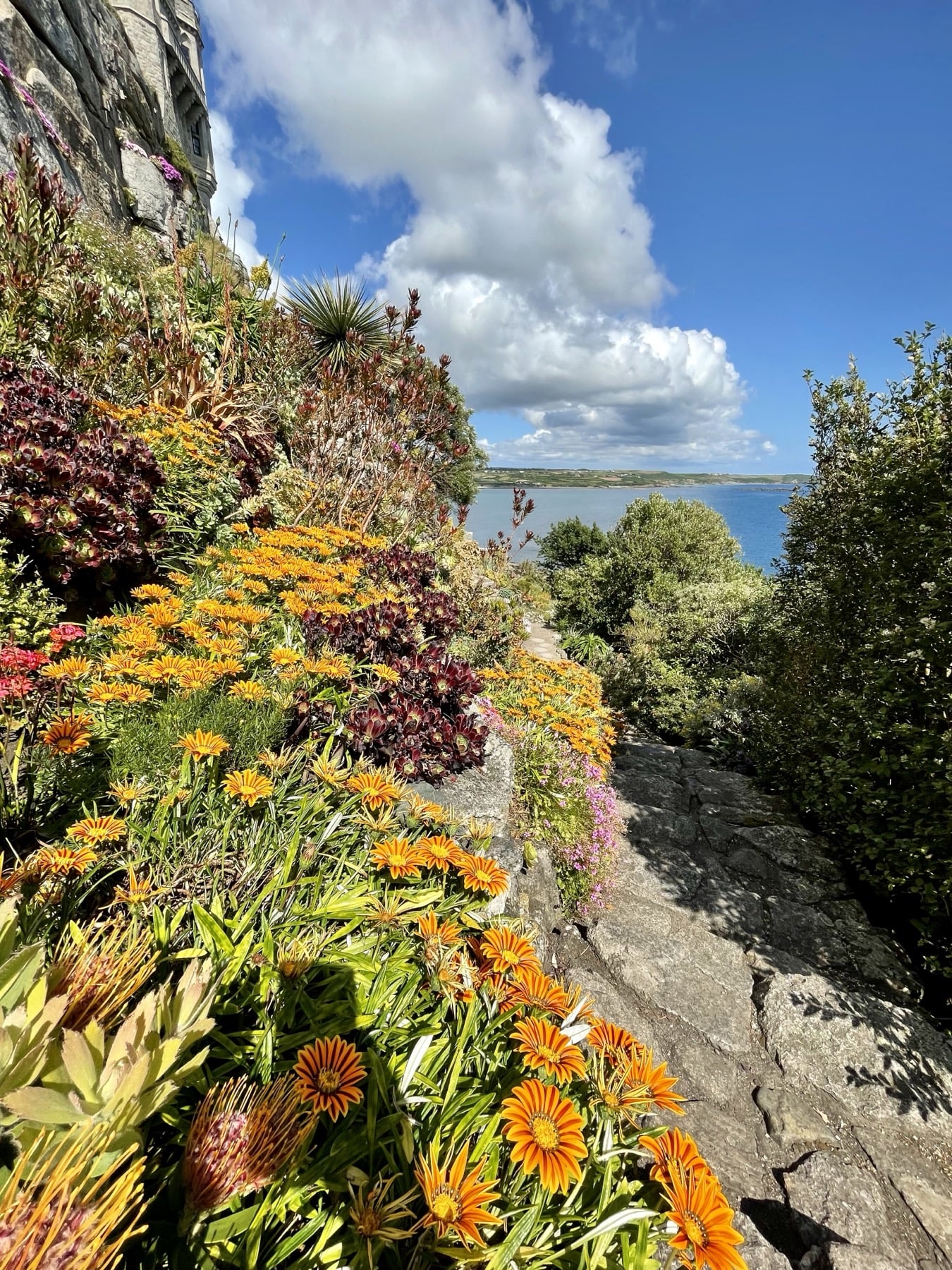
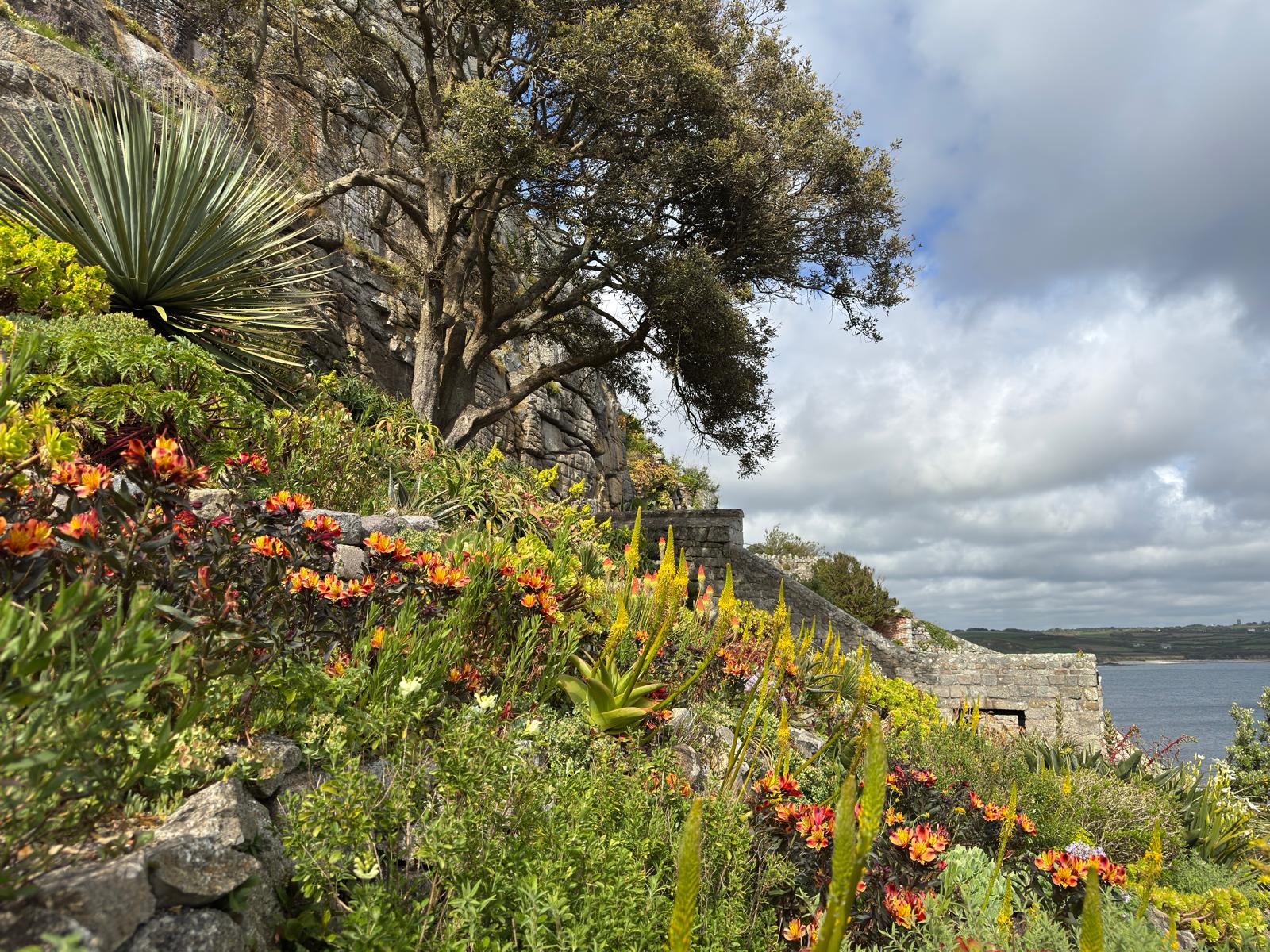
"Several areas of the island set aside for 'No Mow May' are now carefully managed using brush cutters, as the natural granite outcrops make traditional mowing impossible. Once the vegetation has been cut, all clippings are meticulously raked and removed. This not only tidies the landscape but also creates the best conditions for fresh grass and wildflowers to emerge, supporting a healthy and diverse habitat. June also welcomes the salvias, geums and osteospermums that cascade down the terraces. On the East Terraces, soft lilacs, pastel pinks, pale yellows and whites merge in a delicate wash of colour. In contrast, the West Terraces are defined by deep oranges, vivid reds and bright yellows."
Highlight of the Month
Salvias, geums and osteospermums cascade down the terraces in June.
July Open to Visitors
Maintaining balance and beauty
"Day-to-day maintenance is a constant in the gardens, from weeding the flowerbeds to carefully deadheading the roses. Across the island, the grass is cut weekly to maintain a consistent balance and neat appearance. On the main lawns, a zero-turn ride-on mower equipped with a mulching kit ensures both precision and sustainability, helping to return nutrients to the soil while keeping the lawns looking their best."
Highlight of the Month
The West Terraces are defined by deep oranges, vivid reds and bright yellows, forming a bold and sunlit display.
August Open to Visitors
The holidays are here
"With the season in full swing, our gardening team is hard at work across the island’s gardens and grounds. Most tasks are carried out in the mornings, before visitors arrive. As the day goes on, the team moves into quieter, more secluded areas to continue their work. With narrow paths and limited space, tools and equipment must be handled with great care, and at times their placement may briefly restrict access as the gardeners tend to the landscape."
Highlight of the Month
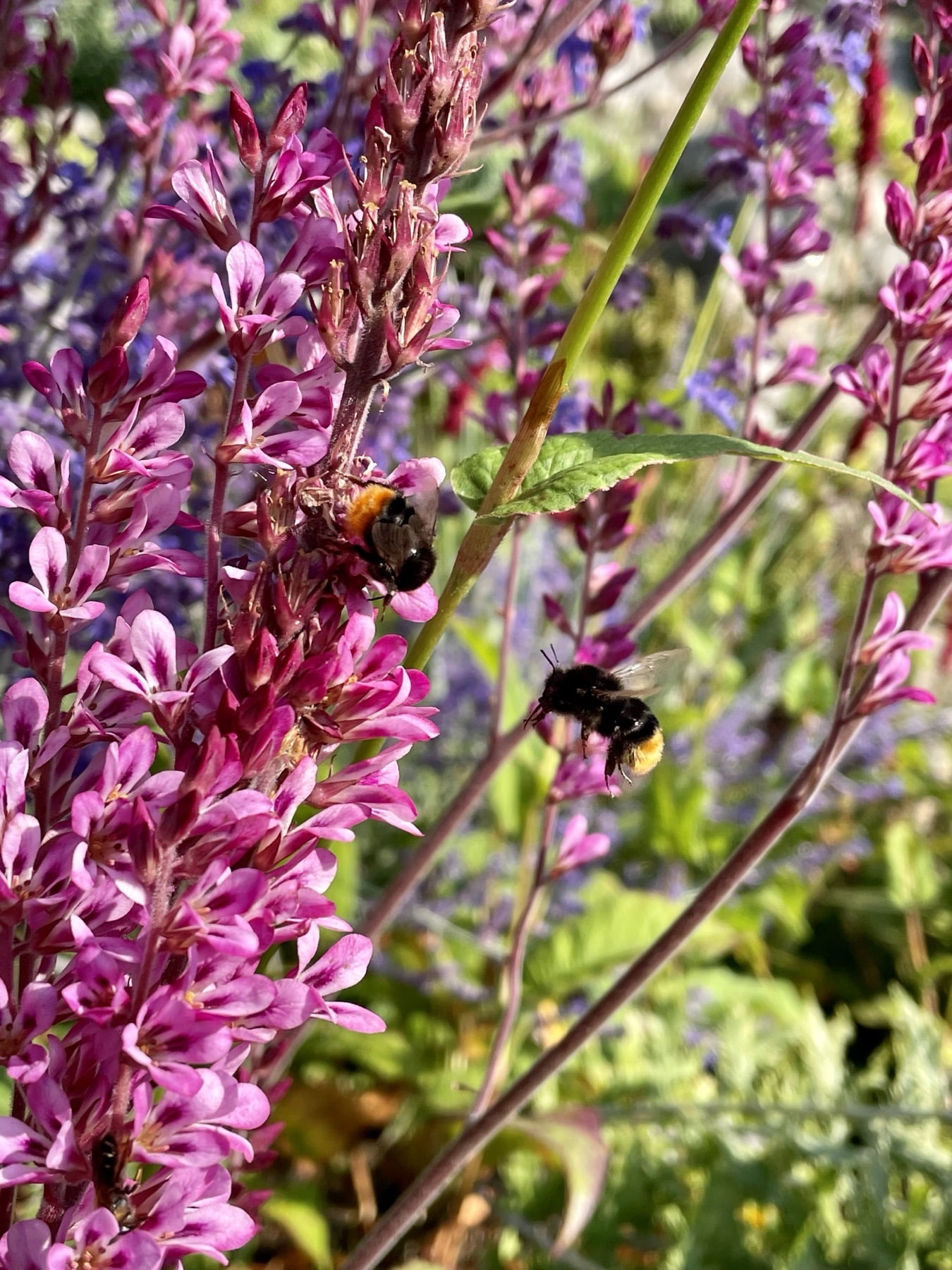
Colours range from deep reds and sunny yellows to bright blues and vibrant greens, as the garden is in full summer bloom.
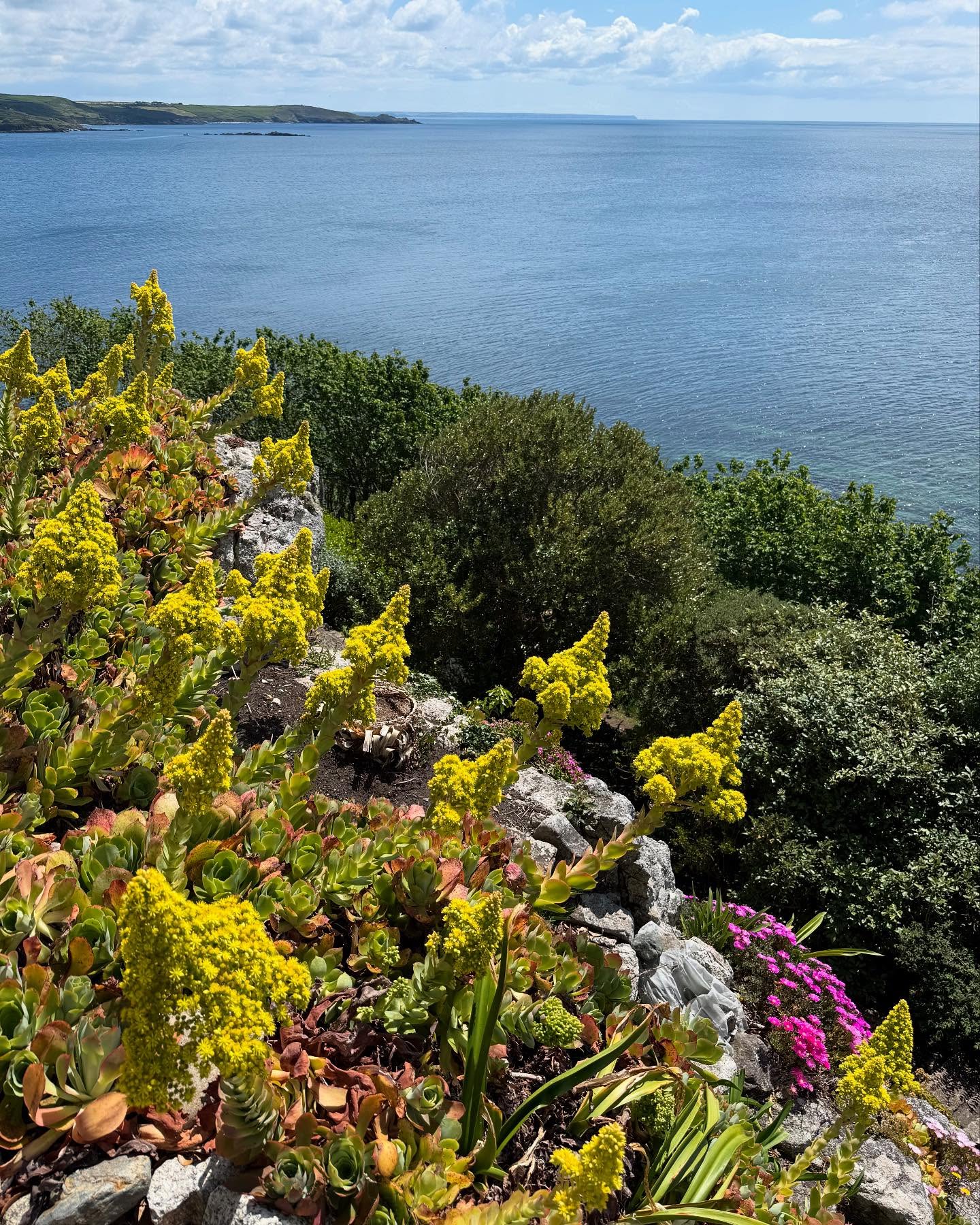
September Closed to Public
A fresh start for the lawns
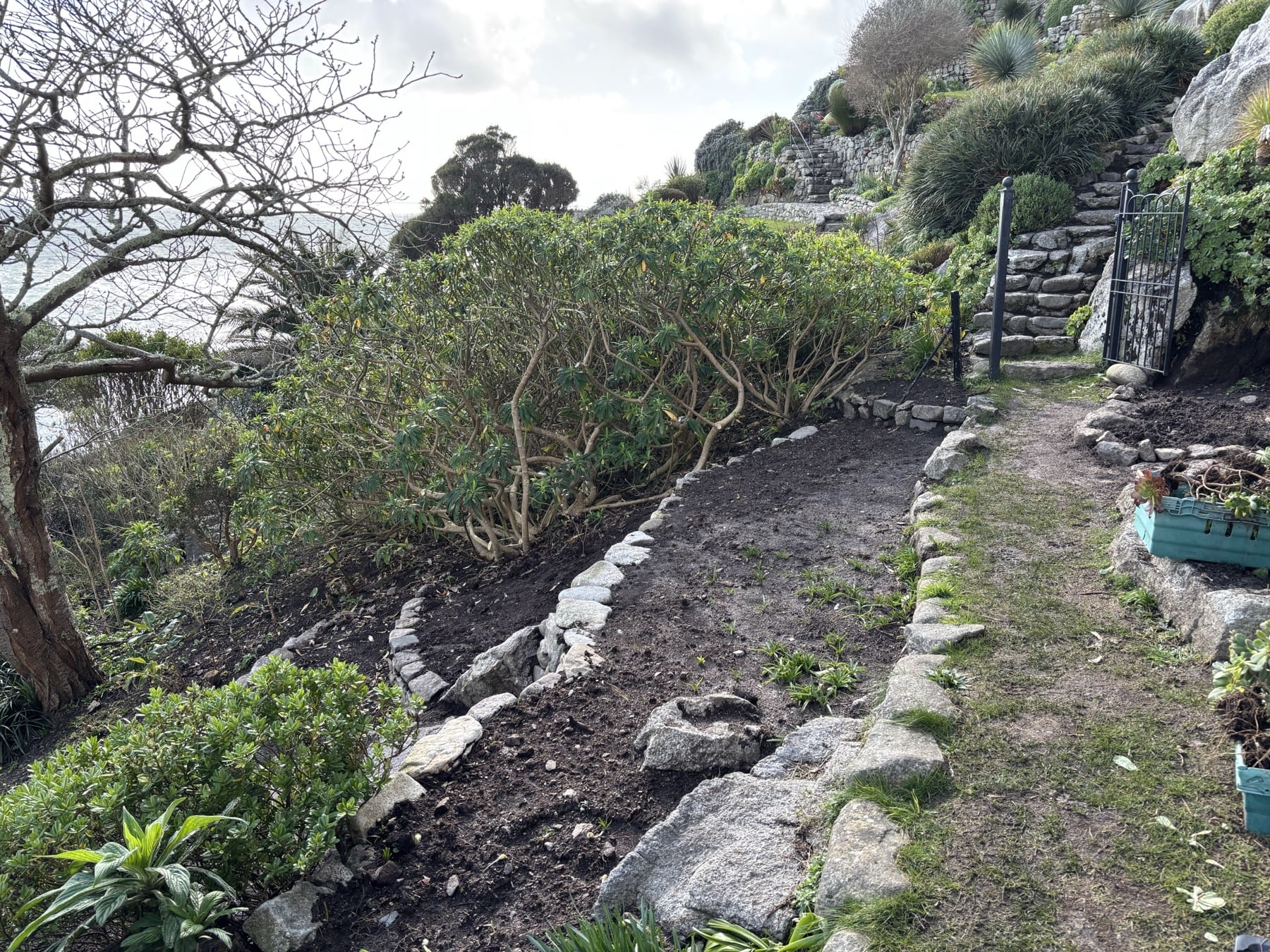
"As the gardens close for the season, our work continues behind the scenes. September sees us tackling one of our biggest annual jobs: restoring over 600m² of lawn, worn down by more than 150,000 summer visitors. The ground is prepared, turf is carried in and laid by hand, then topped with three tonnes of fine soil. A temporary, timed irrigation system waters the lawns overnight, helping them settle and thrive. It’s a labour-intensive task, but one that ensures the gardens remain vibrant. By spring, the lawns will be lush once again ready for another season of exploration."
Highlight of the Month
The last day of the gardens is 4 September, as the grass on the pathways needs to be replaced with fresh turf.

October Closed to Public
Golden leaves are falling
"The inevitable wear and tear from so many pairs of feet on the paths and terraces, necessitates a closed period between September and April for the gardening team’s skilled attention. Each October, our gardening team undertakes a five-day abseiling refresher, which is an essential part of maintaining the gardens clinging to the steep slopes of the island. This intensive training covers everything from rope system setup and abseiling techniques to aerial rescues and rope-to-rope transfers. It’s not just about skill, but safety too, with protocols on equipment checks, knot tying, and communication. This behind-the-scenes training ensures we can care for every corner of the garden, no matter how hard it is to reach."
Highlight of the Month
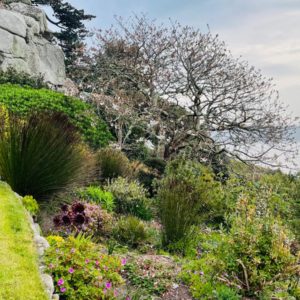
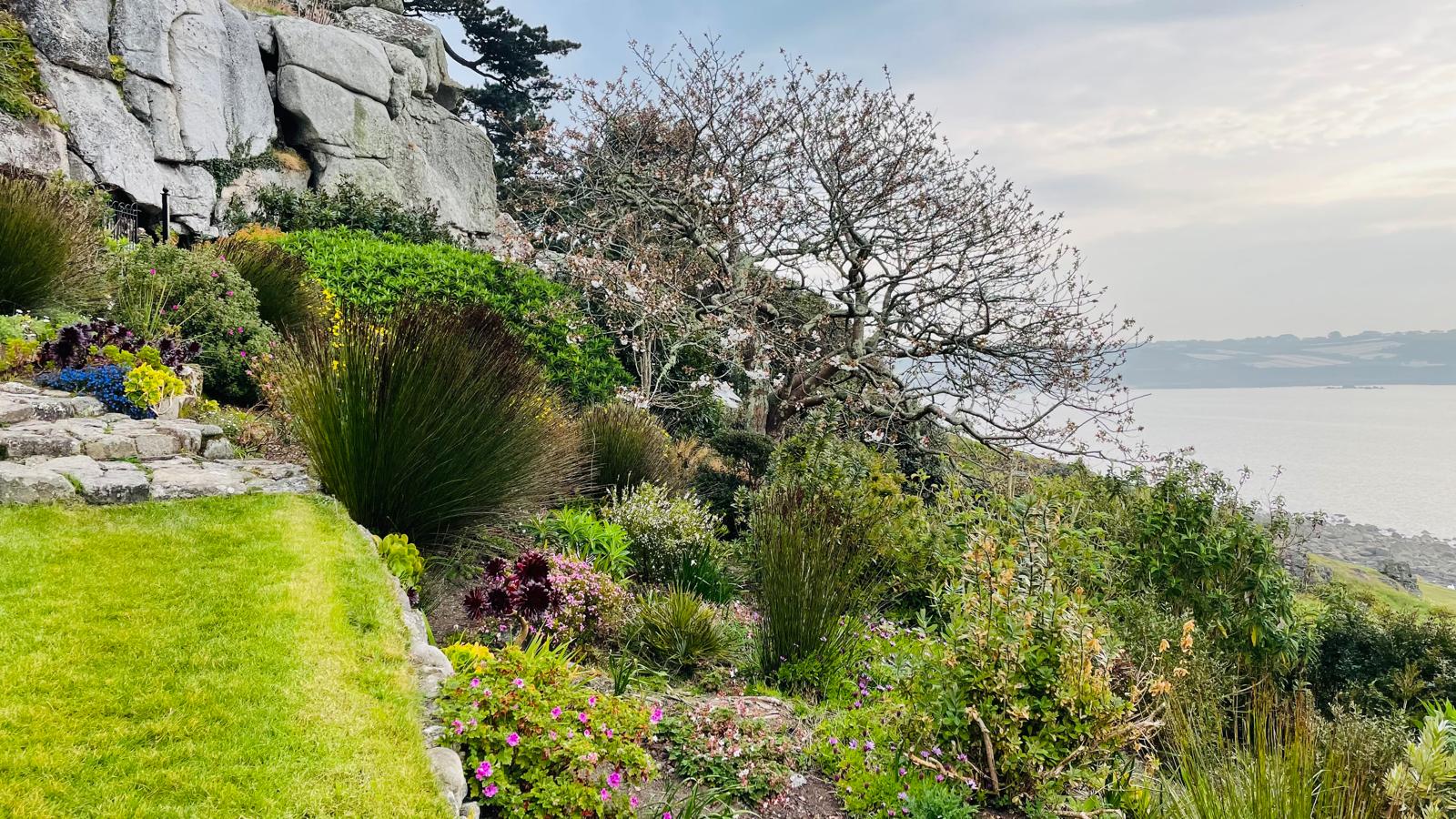
The autumnal colours take over in the garden, as the deep reds of the aeoniums dominate the terraces.
November Closed to Public
Winter is coming
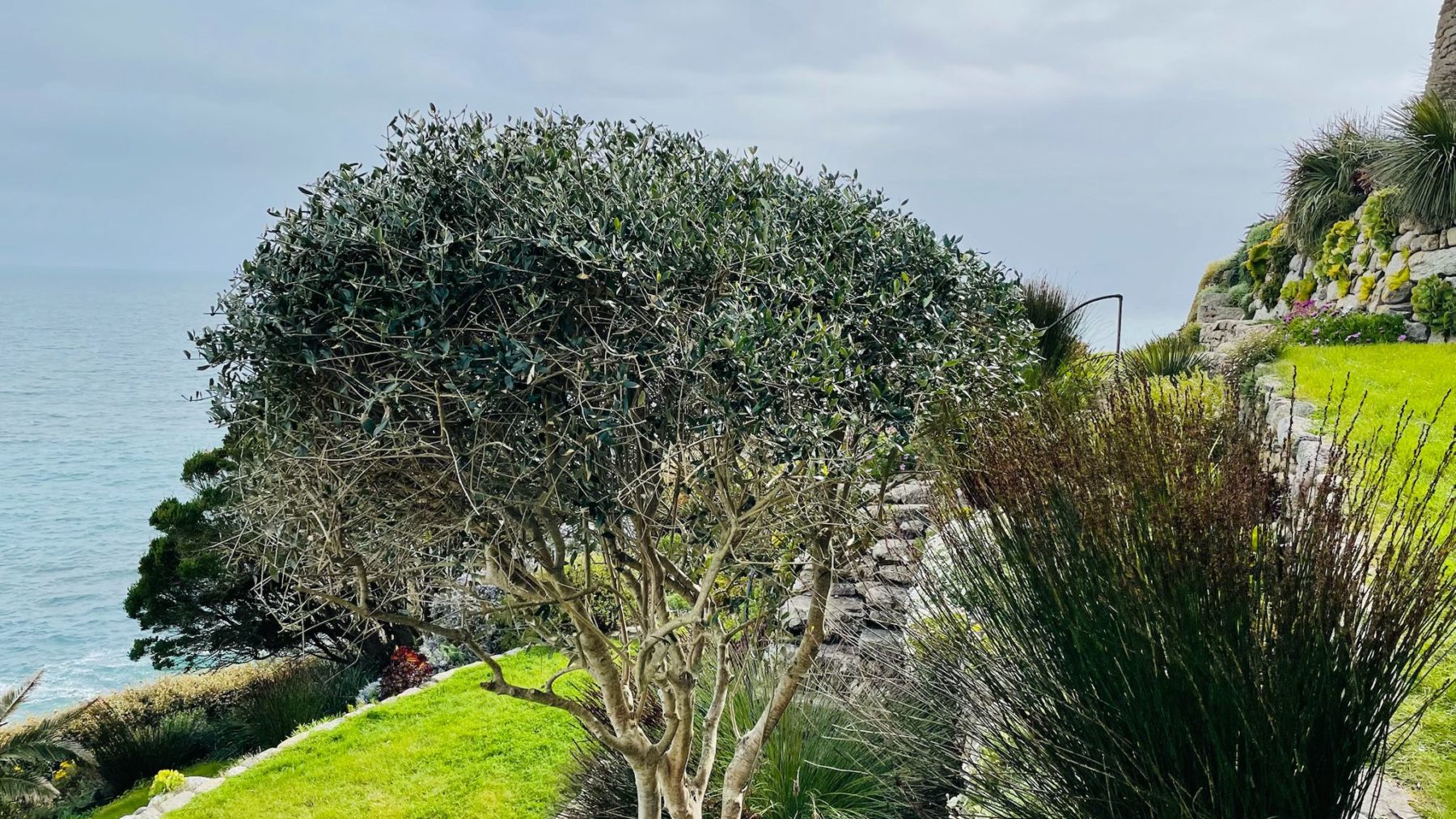
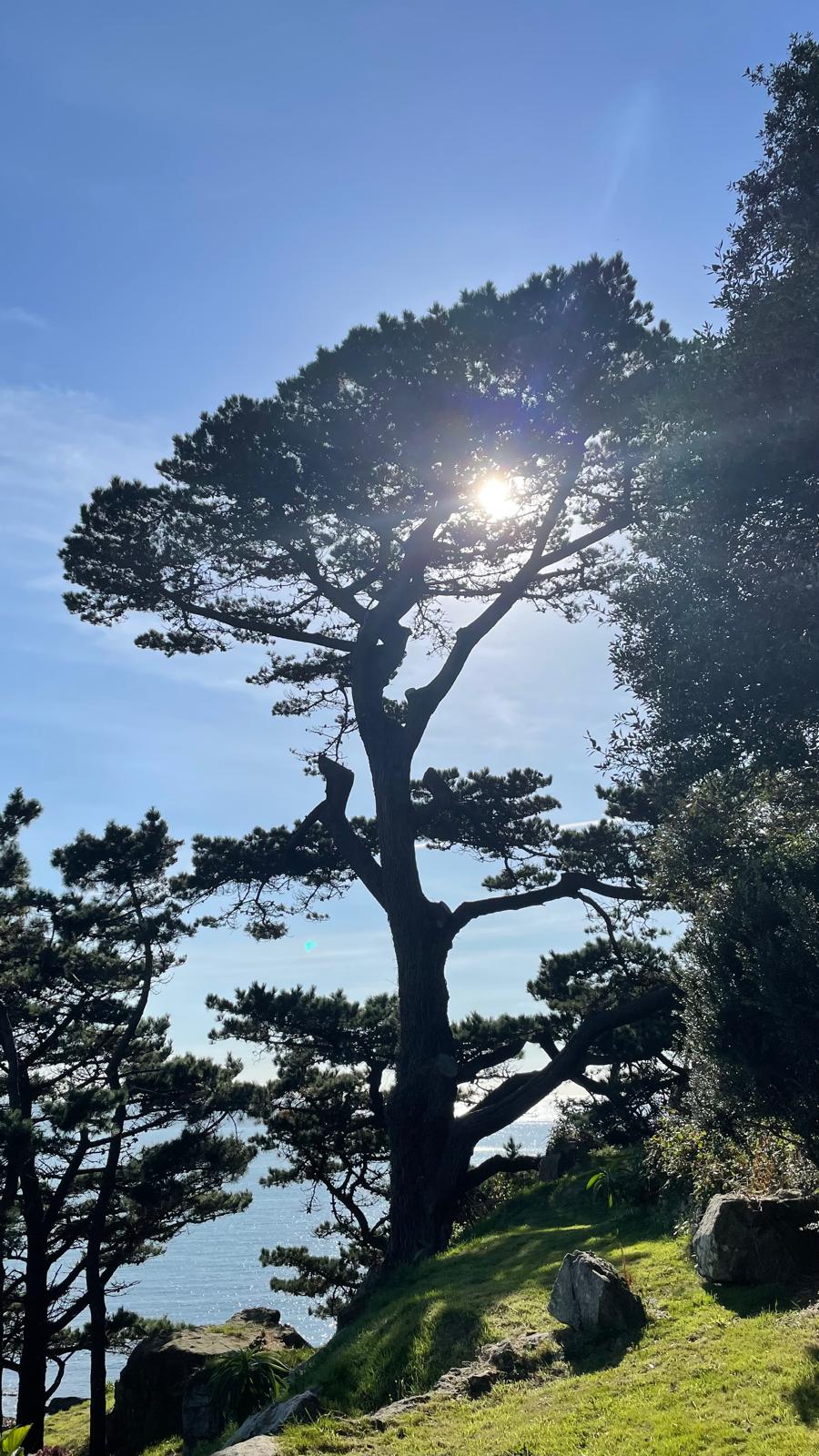
"Each November, as the last leaves fall, our annual tree inspections begin. With the canopy bare, we gain a clear view of each tree’s structure, which is ideal for checking branch formations, trunk stability, and spotting any hidden weaknesses. Autumn also reveals tell-tale signs of fungal infections, with fruiting bodies indicating possible decay beneath the surface. This seasonal window allows us to carefully assess every tree on the island and plan essential winter work, ensuring they remain healthy and safe."
Highlight of the Month
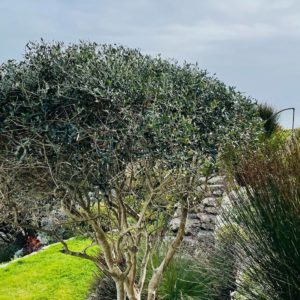
As the garden enters a dormant winter stage, the focus turns to tree care.
December Closed to Public
The garden hibernates for winter
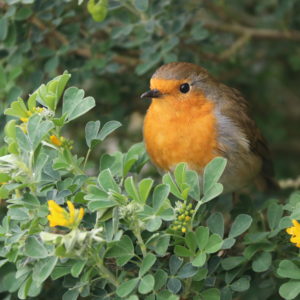
"With the gardens in their winter dormancy, we pause most horticultural tasks and allow the grounds a month of rest. Fallen leaves act as a natural blanket, shielding the hidden buds preparing to emerge beneath the soil reminding us that unnecessary hoeing can cause unseen harm. Instead, our focus shifts to gently working through the terraces up to the castle summit, keeping pathways clear and the surroundings neat in readiness for the festive season and for the family to enjoy."

What happened after Storm Goretti?
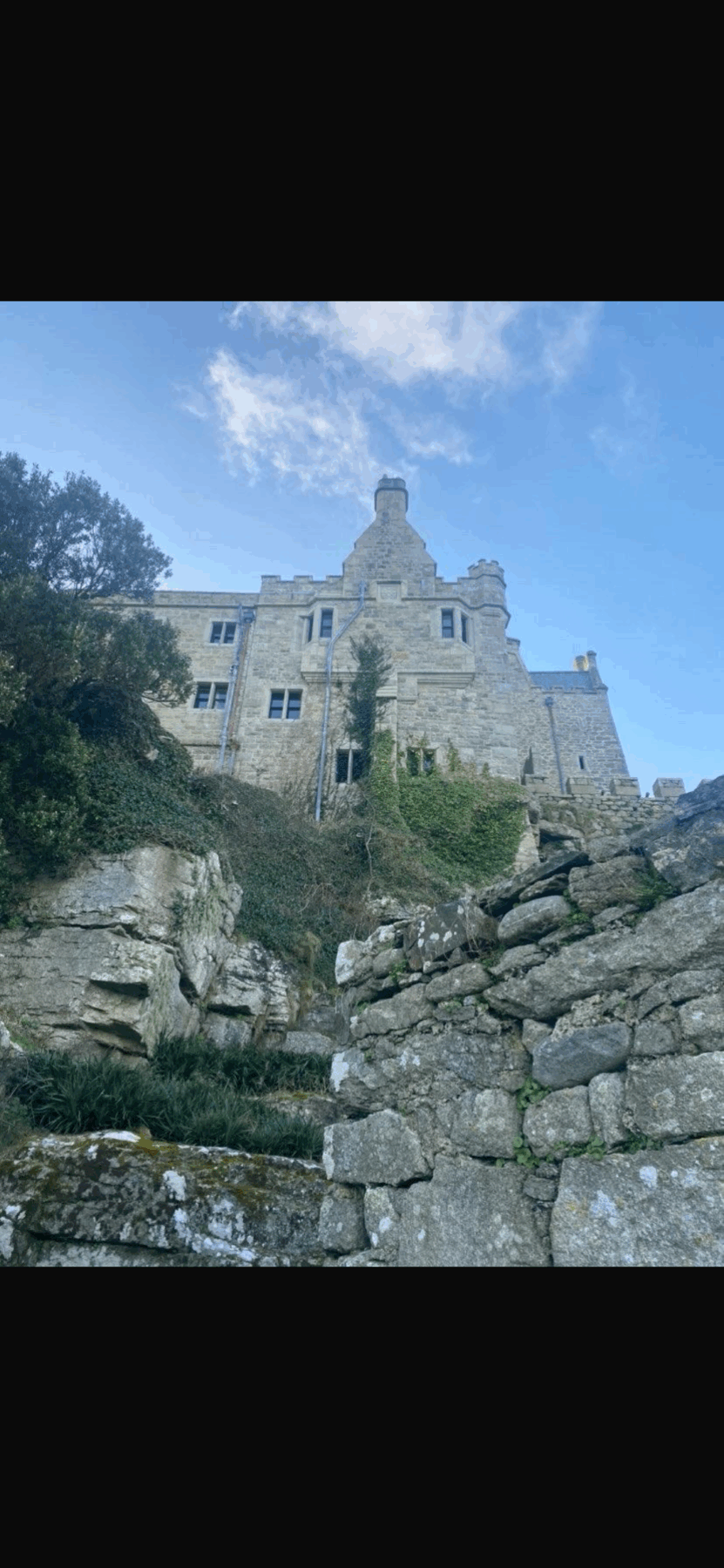
During Storm Goretti, the island experienced strong westerly winds, but the terraced gardens were left untouched. Sheltered on the south-east side of the island and protected by the granite cliffs, the terraces avoided the worst of the gusts that affected the trees in the woodland on the more exposed northern side.
Careful planting also played a key role. Low-growing, wind-resilient plants are deliberately chosen for these conditions, and as a result not a single succulent was lost. While storm damage is visible in the woodland areas along the castle path, the subtropical terraced garden remains as vibrant and resilient as ever.